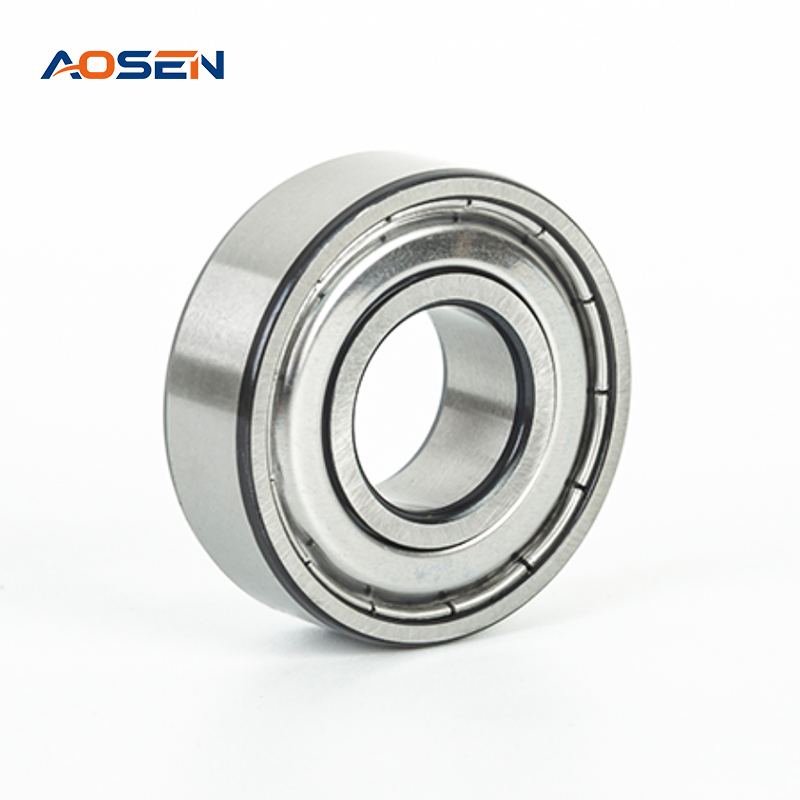
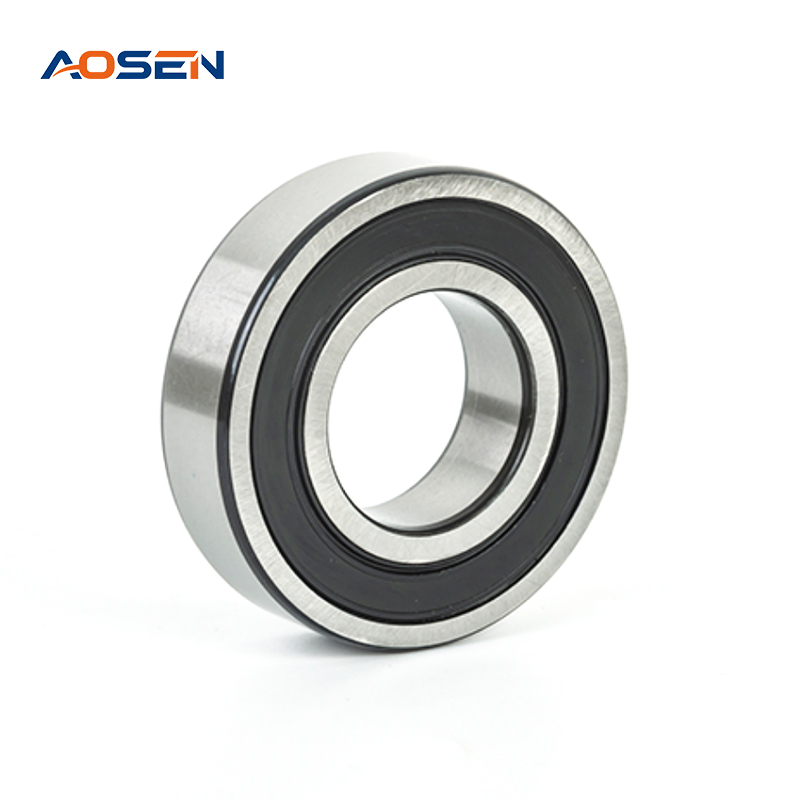
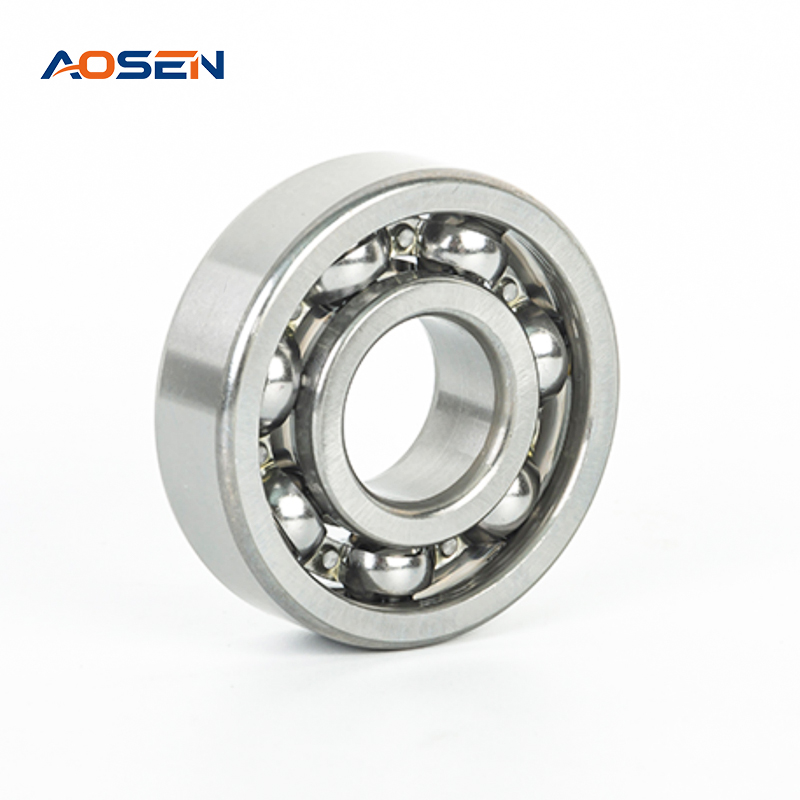
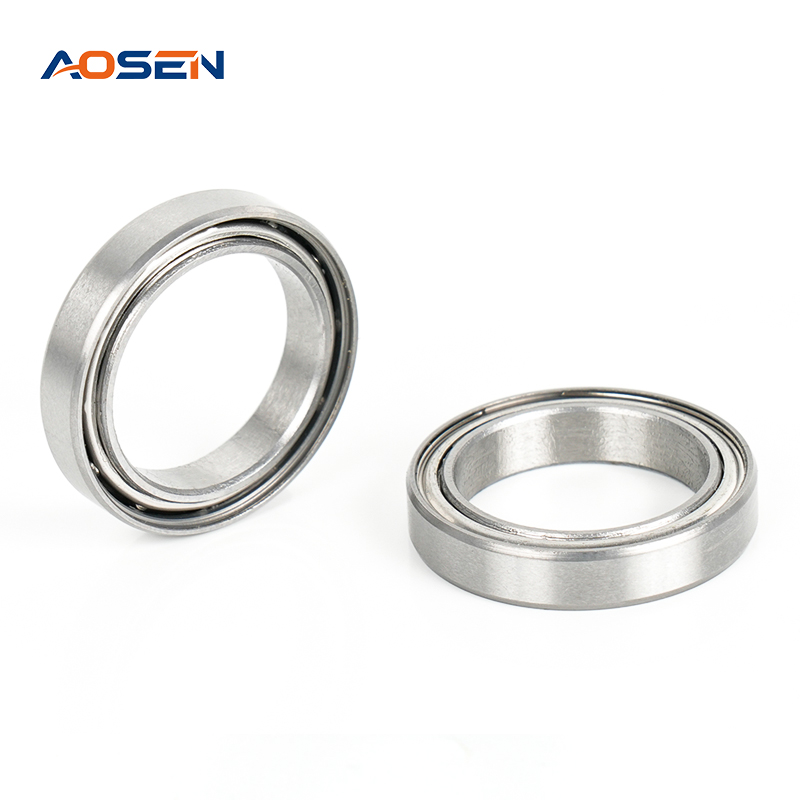
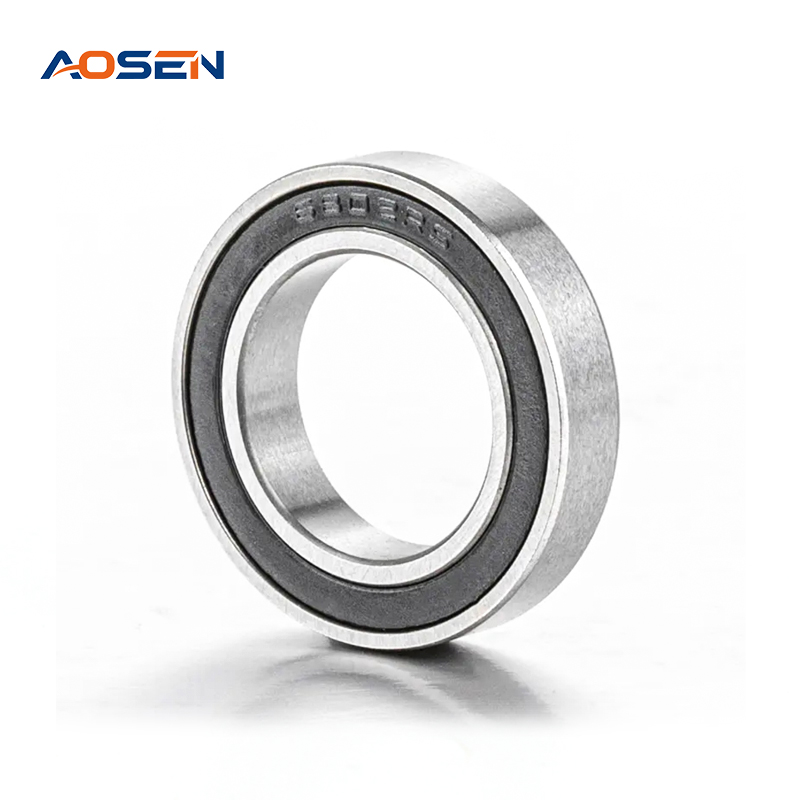
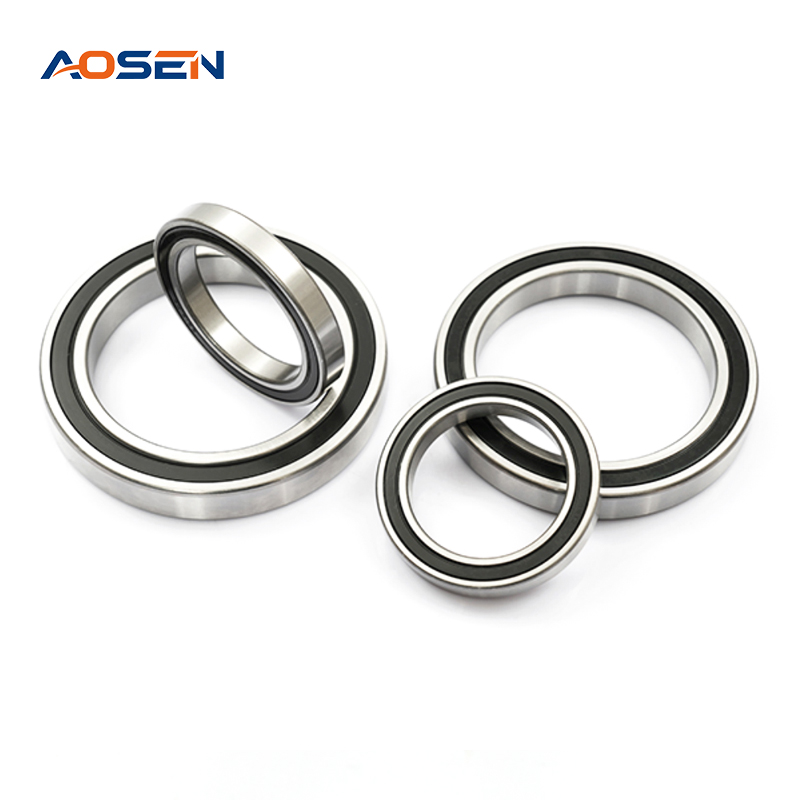
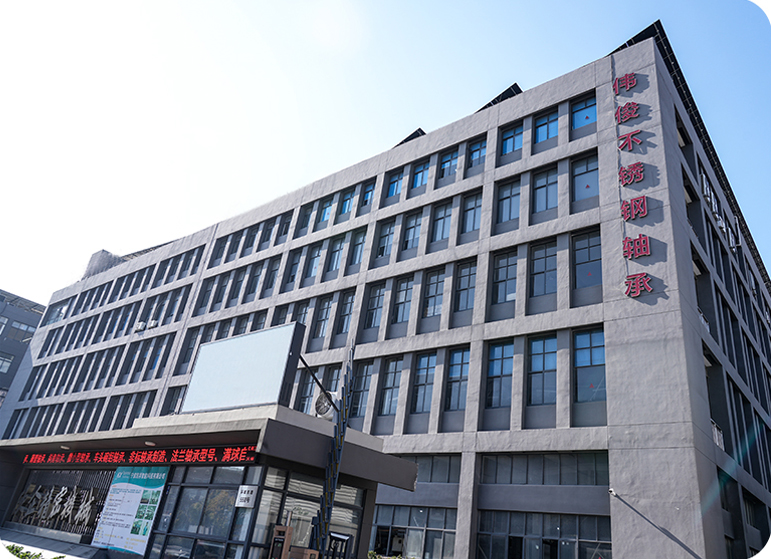
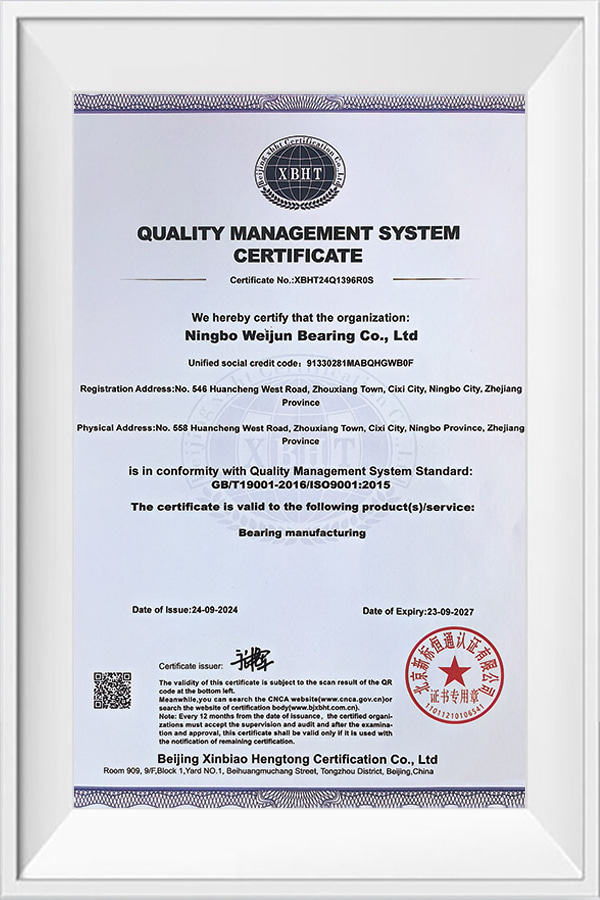
Ningbo Aosen Bearing Co., Ltd. is a Deep Groove Ball Bearings manufacturer and export company backed by our own factory, Ningbo Weijun Bearing Co., Ltd., established in 2016. With nearly a decade of focused production experience, we supply open, shielded and sealed deep groove ball bearings for OEM programs, replacement demand and industrial projects around the world.
Our standard range covers six metric series — 6000, 6200, 6300, 6700, 6800 and 6900 — plus a stainless steel deep groove line for corrosive and hygiene-sensitive environments. The factory is located in Cixi, Ningbo, covers more than 8,000 square meters, and produces 13–15 million sets per year.
A Six-Series Product Family
All six series share the same deep raceway principle: a single row of balls running in a continuous groove that can carry radial loads plus moderate axial loads in both directions. The series differ in cross-section, which changes load capacity, speed behavior and the housing space required. Our Products page lists the current model set, and the table below gives the positioning of each series.
| Series |
Design Profile |
Typical Application Fit |
| 6000 |
Light-section series with a compact cross-section for smaller housings. |
Small electric motors, fans, instruments and light conveyor rollers. |
| 6200 |
General-purpose series with the widest model coverage in the range. |
Electric motors, pumps, gearboxes, conveyors and automotive accessories. |
| 6300 |
Heavier cross-section for higher radial load capacity on the same bore sizes. |
Industrial gear drives, agricultural machinery, large fans and heavy conveyors. |
| 6700 |
Extra-thin miniature series for very limited radial space. |
Precision instruments, medical devices, pulleys and office automation. |
| 6800 |
Thin-section series where width and weight must be minimized. |
Robotics, small servo motors, hand tools and compact mechanisms. |
| 6900 |
Thin-section series with a larger bore for a given outside diameter. |
Compact gearboxes, small spindles, pumps and industrial automation. |
Application Fit and Operating Conditions
Selecting a deep groove ball bearing is about matching the working point: load, speed, temperature, contamination risk and acceptable noise. In dry, enclosed equipment, a GCr15 steel bearing with a stamped steel cage and standard grease delivers long service. In wet or corrosive environments, material and sealing dominate the decision.
- Food and beverage processing: stainless steel rings and balls, 2RS seals and washdown-resistant grease.
- Marine and shipbuilding: AISI 316 or 440C stainless steel for high humidity and salt exposure.
- Chemical processing: material selection based on the media, combined with robust seals and suitable lubrication.
- Pharma and biotech: low-noise bearings with clean surfaces and packaging options for controlled areas.
- Motors and industrial machinery: GCr15 steel, compact cross-sections and noise-tested assemblies.
Material and Configuration Engineering
Our factory works with GCr15 bearing steel as the standard material and stainless steel grades AISI 420, 440, 440C, 304 and 316 for corrosive or hygienic applications. For special requirements we also use beryllium copper, brass, engineering plastics and rubber sealing materials, allowing us to balance corrosion resistance, non-magnetic behavior, weight and cost.
- Sealing: open, ZZ metal shields or 2RS contact seals.
- Cage: stamped steel, stainless steel or polyamide, selected for speed and operating temperature.
- Lubrication: grease type, fill percentage and temperature range confirmed before production.
- Non-standard design: extended inner rings, grooved outer rings, special chamfers, bore modifications and custom marking.
When you send a drawing or sample, we review raceway geometry, sealing space and material compatibility before preparing a configuration. Our Stainless Steel Deep Groove Ball Bearings line follows the same dimensional structure and is available for washdown, chemical and marine environments.
Critical Specifications We Confirm
For a proposal with the correct bearing, we confirm the expected radial and axial loads, speed, operating temperature and permissible noise level. The same physical size can be supplied with different clearances, seals, cage materials and grease, so those parameters are part of the bearing specification, not optional extras.
- Bore, outside diameter and width, or a reference model number.
- Radial internal clearance class, including C2, CN and C3 where required.
- Tolerance class for shaft and housing fits.
- Rotational requirement: speed, vibration and acoustic noise.
- Lubrication type and relubrication interval.
Quality Control, Acceptance and Supply
Quality control at Weijun Factory covers raw material inspection, precision machining, assembly checks and performance testing. We monitor inner and outer diameter, roundness, flatness and visual condition; before shipment each batch receives a standardized factory inspection. Our products are manufactured to international dimension and tolerance standards, and Aosen handles export documentation and after-sales coordination so there is one accountable interface from order to delivery.
Our in-house facility keeps 40 proven mainstream models in regular production and maintains partnerships with five qualified factories to cover more than 230 models, including non-standard sizes, special materials and higher-precision bearings. This combination gives us direct cost control, stable capacity for volume orders and the flexibility to supply short-run specials. Export markets include Europe, the United States, Japan, Southeast Asia and the Middle East, with applications in industrial machinery, automobiles and motors.
Information We Use to Configure Your Solution
To prepare a precise quotation and sample plan, include as many of the following as possible:
- Bearing series, model number or measured ID, OD and width.
- Application description: motor, pump, gearbox, conveyor, marine, food or similar.
- Radial and axial loads, speed and operating temperature.
- Environmental conditions: humidity, chemicals, washdown or abrasive dust.
- Required seal, cage, material and grease.
- Shaft and housing fit, plus internal clearance class.
- Noise or vibration limits and any inspection report requirements.
- Estimated annual quantity, packaging preference and destination port.
Deep Groove Ball Bearing FAQs
What is the difference between the 6000, 6200 and 6300 series?
The bore sizes overlap, but the outer diameter and width increase from 6000 to 6200 to 6300, which raises radial load capacity. Choose 6000 for compact motors, 6200 for general-purpose equipment and 6300 for heavier industrial loads. The 6700, 6800 and 6900 series cover thin-section and miniature applications.
Do you supply stainless steel deep groove ball bearings?
Yes. Our stainless steel range includes SS 6000, 6200, 6300, 6700, 6800 and 6900 series in AISI 420, 440, 440C, 304 and 316, with custom sealing and lubrication options.
Can you customize bearings for an OEM application?
Yes. We support OEM/ODM projects from drawings or samples, including non-standard materials, seals, grease, tolerance and structural details such as extended inner rings or grooved outer rings.
Which sealing option should we choose?
Open bearings suit enclosed systems with oil or circulating lubrication. ZZ shields protect against large particles while keeping friction low. 2RS contact seals keep grease inside and contamination out, making them the preferred choice for washdown, dust and maintenance-sensitive equipment.
How do you control quality for large orders?
We combine incoming material inspection, process checks during machining, assembly inspection and final dimensional and visual checks before shipment. Critical parameters include bore, outer diameter, roundness, flatness, running noise and seal condition.
Related Products and Categories
Our portfolio also includes 6000 Series Deep groove ball bearings for applications with different operating ranges, interfaces or integration requirements.

 Español