Ball bearings are used to reduce friction between rotating and stationary parts, allowing a shaft to spin smoothly inside a housing while supporting radial loads, axial loads, or both. You'll find them anywhere something needs to turn efficiently — electric motors, wheel hubs, pumps, conveyors, power tools, and household appliances all rely on them. A stainless steel ball bearing is simply a bearing made with corrosion-resistant steel instead of standard chrome steel, chosen specifically for wet, humid, or chemically exposed environments where rust would otherwise shorten the bearing's life. What separates a genuinely superior bearing from an average one comes down to a handful of measurable factors — material grade, hardness, tolerance class, and load rating — rather than marketing language alone. Below, we break down exactly what ball bearings do, when stainless steel is the right material, and what to actually check when comparing bearing quality.
What Ball Bearings Are Used For
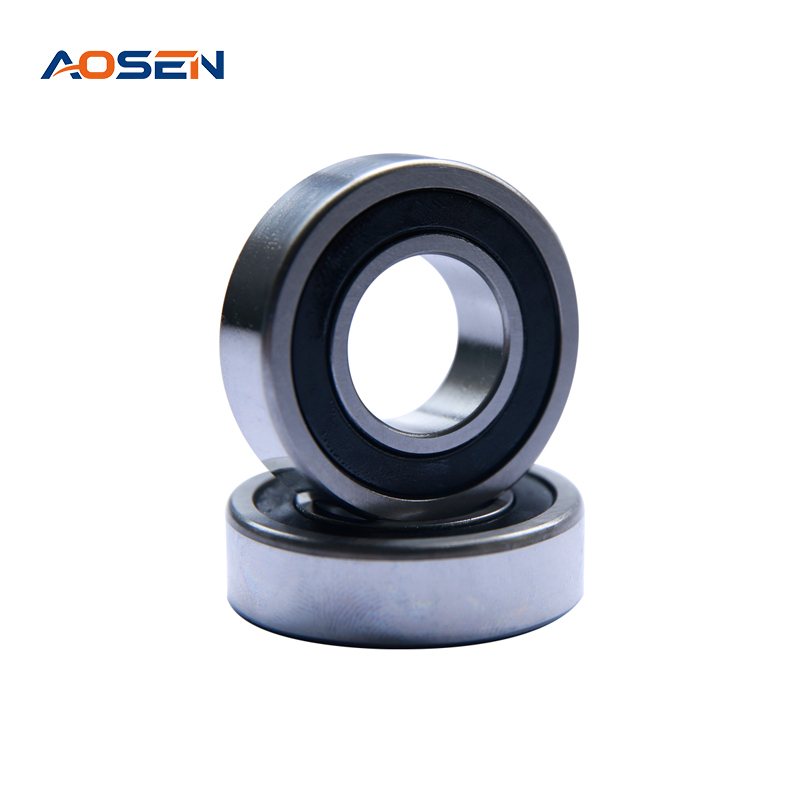
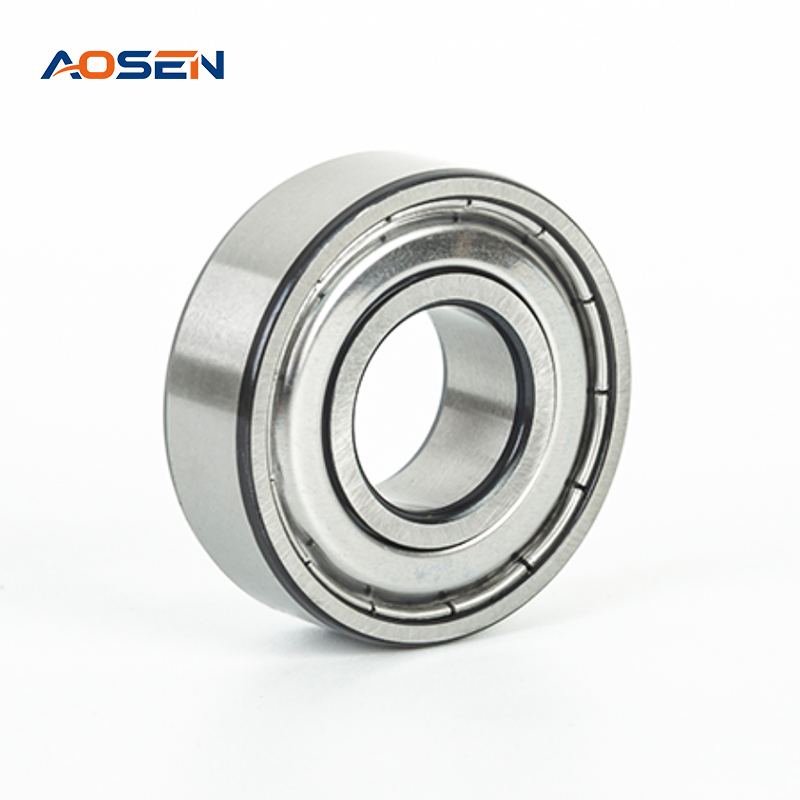
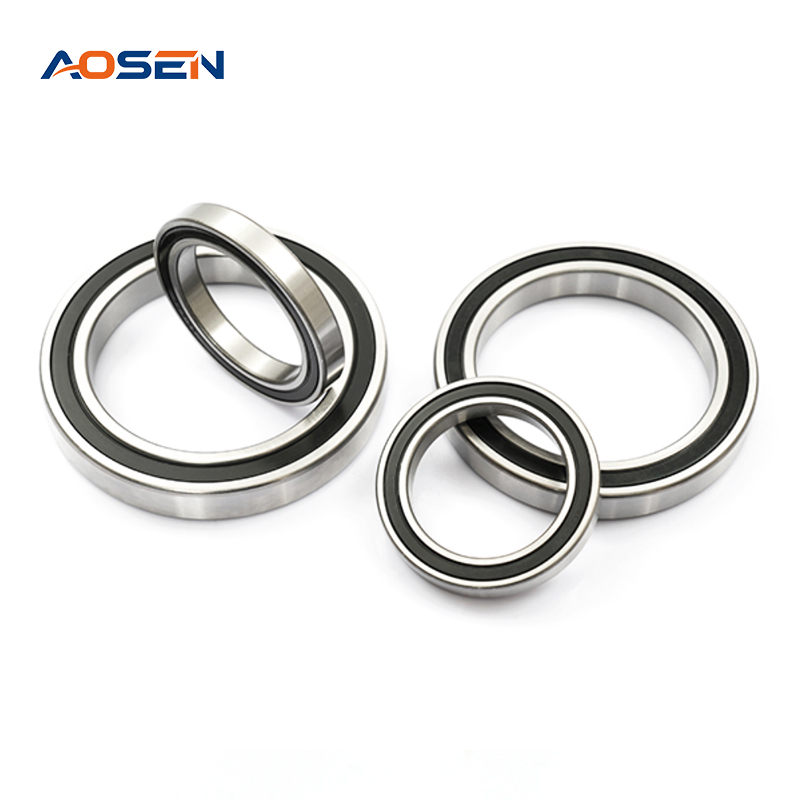
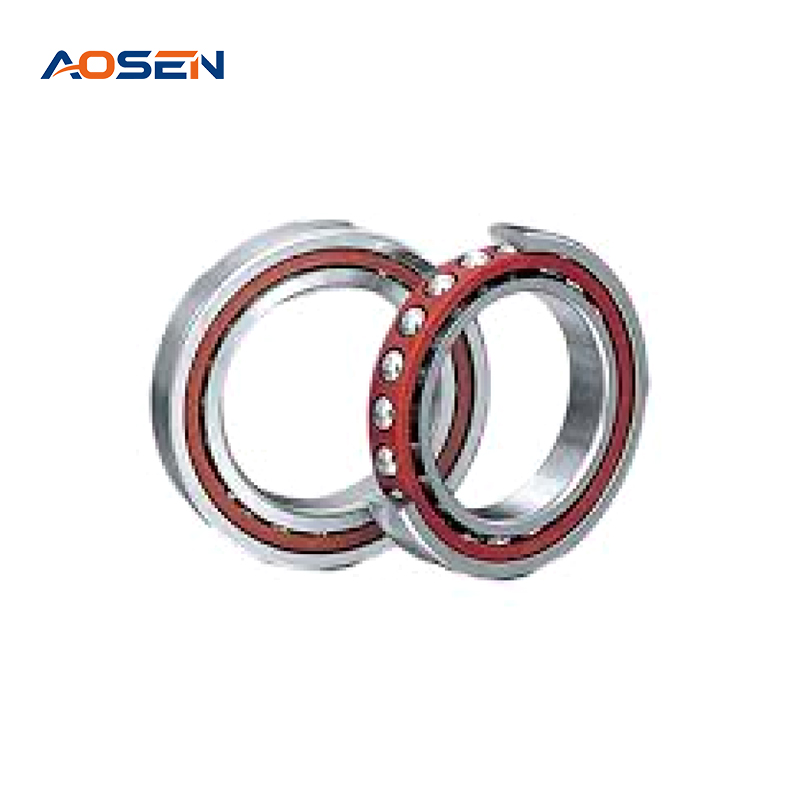
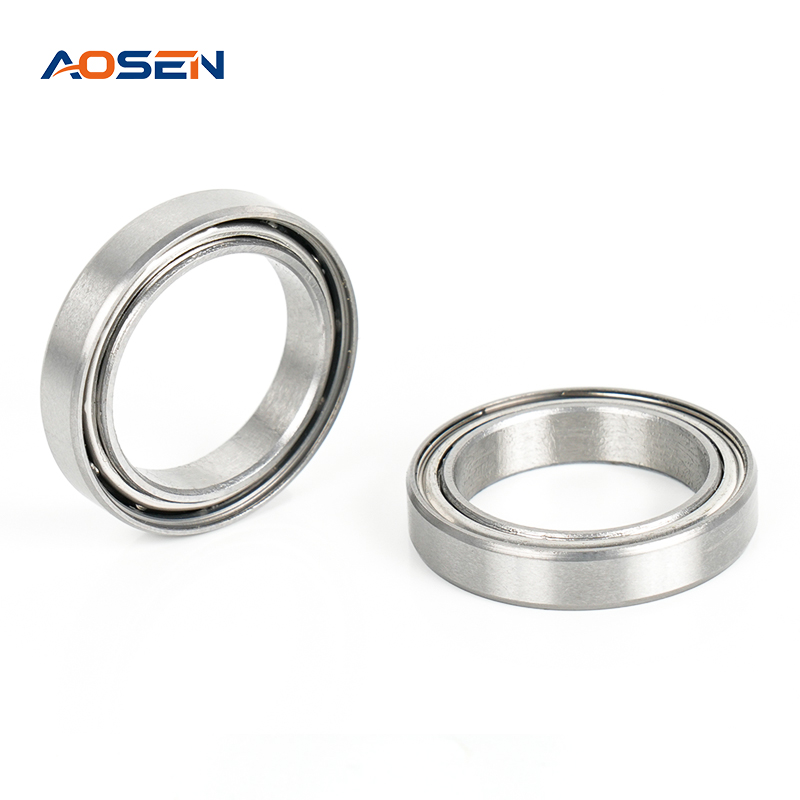
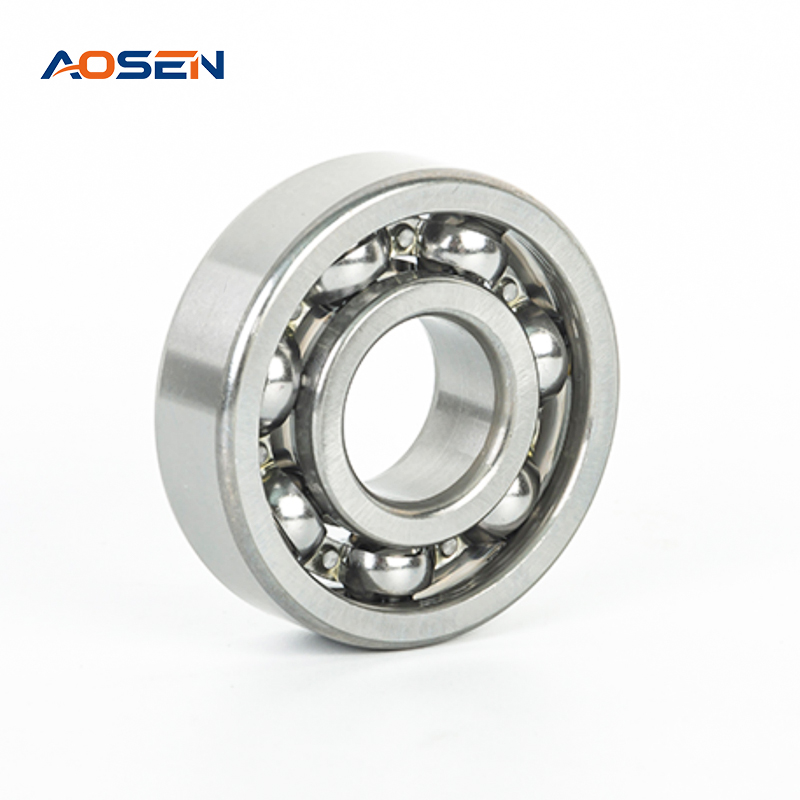
A ball bearing consists of an inner ring, an outer ring, and a set of hardened steel balls positioned between them, usually held in place by a cage or retainer. Because rolling friction is far lower than sliding friction, the balls let the inner ring — mounted on a rotating shaft — spin freely while the outer ring stays fixed in the housing, dramatically cutting energy loss and wear compared to a shaft rubbing directly against a bore.
This basic function shows up across nearly every mechanical system that involves rotation:
- Electric motors — support the motor shaft and minimize friction to improve efficiency and extend motor life
- Automotive systems — wheel hubs, transmissions, and drivetrains all depend on bearings for smooth, low-friction rotation
- Household appliances — washing machines, blenders, and vacuum cleaners use bearings to keep moving parts running quietly and reliably
- Industrial machinery — pumps, conveyors, gearboxes, and machine tool spindles rely on bearings to handle continuous operation under load
- Power tools — drills and saws use bearings for the precision and stability needed for accurate cutting or drilling
Bearings are engineered to handle two kinds of force: radial loads, which act perpendicular to the shaft, and axial (thrust) loads, which act parallel to it. Deep groove ball bearings — the most common design — handle a combination of both, which is why they're the default choice in general-purpose applications from small motors to large industrial equipment.
Common Ball Bearing Types and Where They Fit
Not every application needs the same bearing geometry. The table below summarizes the main types and their typical use cases.
Common ball bearing types and their typical applications
| Bearing Type |
Load Handling |
Typical Application |
| Deep groove ball bearing |
Radial and moderate axial |
Electric motors, fans, conveyors, appliances |
| Angular contact ball bearing |
Combined radial and higher axial |
Machine tool spindles, automotive gearboxes, pumps |
| Thrust ball bearing |
Axial only |
Vertical shafts, swivel mechanisms, steering columns |
| Self-aligning ball bearing |
Radial, tolerant of misalignment |
Agricultural machinery, textile equipment, long shafts |
Choosing the wrong geometry for the load direction is one of the most common causes of premature bearing failure, so matching the type to the actual force the application generates matters as much as material selection.
When a Stainless Steel Ball Bearing Is the Right Choice
Standard bearings are typically made from chrome steel (also called 52100 or GCr15), which offers excellent hardness and wear resistance but very poor corrosion resistance — without a protective oil or grease film, it rusts quickly. A stainless steel ball bearing solves this by using an alloy with significantly higher chromium content, which forms a passive oxide layer on the surface that actively resists rust.
Three grades dominate stainless bearing selection, and each targets a different balance of hardness versus corrosion resistance:
- AISI 440C — a high-carbon martensitic grade heat-treatable to roughly HRC 58–62, giving it load capacity close to standard chrome steel while resisting rust from fresh water, humidity, and mild chemicals; the standard choice for high-load industrial use
- AISI 304 — a lower-hardness austenitic grade, non-magnetic and highly corrosion resistant, but restricted to low-speed, light-load applications; the standard for food-grade and medical hygiene requirements
- AISI 316 — contains 2–3% molybdenum, which specifically prevents pitting corrosion from chloride exposure; the go-to "marine grade" for saltwater and harsh chemical environments where even 440C would eventually degrade
440C stainless also holds a practical advantage beyond corrosion resistance: it can operate continuously at temperatures up to 250°C, higher than standard chrome steel can sustain, which makes it a reasonable choice even in some dry, high-heat applications where corrosion isn't the primary concern.
Stainless Steel vs. Chrome Steel: The Trade-Offs
Neither material is universally "better" — the right choice depends on the operating environment more than anything else.
Where chrome steel wins
Chrome steel bearings reach higher surface hardness — often above 60 HRC — and cost noticeably less than stainless equivalents. In dry, indoor, well-lubricated applications where rust simply isn't a factor, chrome steel remains the more economical and often higher-performing option for raw load capacity.
Where stainless steel wins
Any environment involving moisture, washdown cleaning, food contact, or salt exposure favors stainless. Because 400-series stainless bearings maintain load ratings reasonably close to chrome steel while adding genuine corrosion protection, the performance trade-off is often smaller than people expect — the extra upfront cost buys a meaningfully longer service life in a hostile environment, rather than simply trading strength for rust resistance.
What Actually Makes a Bearing Superior
"Superior" is a term used loosely in bearing marketing, but a few concrete, checkable specifications separate a genuinely higher-quality bearing from an average one.
- Material grade and certification. Confirm the bearing matches a recognized AISI standard (such as 440C, 304, or 316) rather than an unspecified "stainless" claim — the difference in hardness and corrosion performance between grades is substantial.
- Tolerance class. Precision bearings are rated under standardized tolerance classes (such as ABEC or ISO grades) that define dimensional accuracy — a tighter tolerance class means less runout and vibration at speed.
- Load rating. Every bearing is rated for dynamic and static load capacity; matching or exceeding your actual application load — not just the shaft diameter — prevents premature fatigue failure.
- Seal and cage design. Sealed or shielded bearings keep contaminants out and lubricant in, directly extending service life in dusty or wet conditions compared to an open bearing.
- Manufacturing consistency. Reputable manufacturers publish load ratings backed by tightly controlled heat treatment, which is why two bearings of the same nominal grade can still perform differently in practice.
When comparing suppliers, ask for the specific material standard, tolerance class, and dynamic load rating rather than accepting general quality claims — these three data points alone are usually enough to tell whether a bearing is genuinely built for your application or just priced to look competitive.

 Español

 +86-15990593443
 No. 558 Huancheng West Road, Zhouxiang Town, Cixi City, Ningbo Province, Zhejiang Province