
 Español

How to Preload a Bearing: A Practical Guide for Engineers and Maintenance Pros
Preloading a bearing is a step that often separates a machine with predictable, long-term performance from one that generates noise, vibration, or premature failure. A bearing without preload can allow skidding of the rolling elements and increased noise under light or variable loads. Applying the correct axial force eliminates internal clearance, improves stiffness, and ensures the rolling elements maintain constant contact with the raceways. Understanding how to preload a bearing correctly requires selecting the appropriate method, calculating the right amount of preload, and accounting for thermal expansion and operational conditions. Once you understand the two primary methods—position preload and constant pressure preload—you can make an informed choice for your specific application.
What Is Bearing Preload and Why Does It Matter?
Bearing preload is a predetermined axial force applied to a bearing that removes internal clearance and places the rolling elements and raceways under a consistent, light compressive load. The primary reason to preload a bearing is to improve rotational accuracy and stiffness. In applications like machine tool spindles or precision gearboxes, even microns of clearance can lead to unacceptable runout or vibration.
The secondary benefits of preload include reduced noise and vibration, extended bearing fatigue life under certain conditions, and prevention of rolling element skidding in high-speed applications. However, applying excessive preload generates heat and reduces service life, so precision in the method and magnitude is critical.
Choosing the Right Preload Amount
The amount of preload must match the bearing type, operating speed, and expected thermal conditions. For deep groove ball bearings, the typical preload range is a small percentage of the basic static load rating. A common starting point is to apply approximately 1% to 2% of the bearing's static load capacity for general-purpose applications. For higher speeds, a lighter preload is necessary to avoid excessive heat generation.
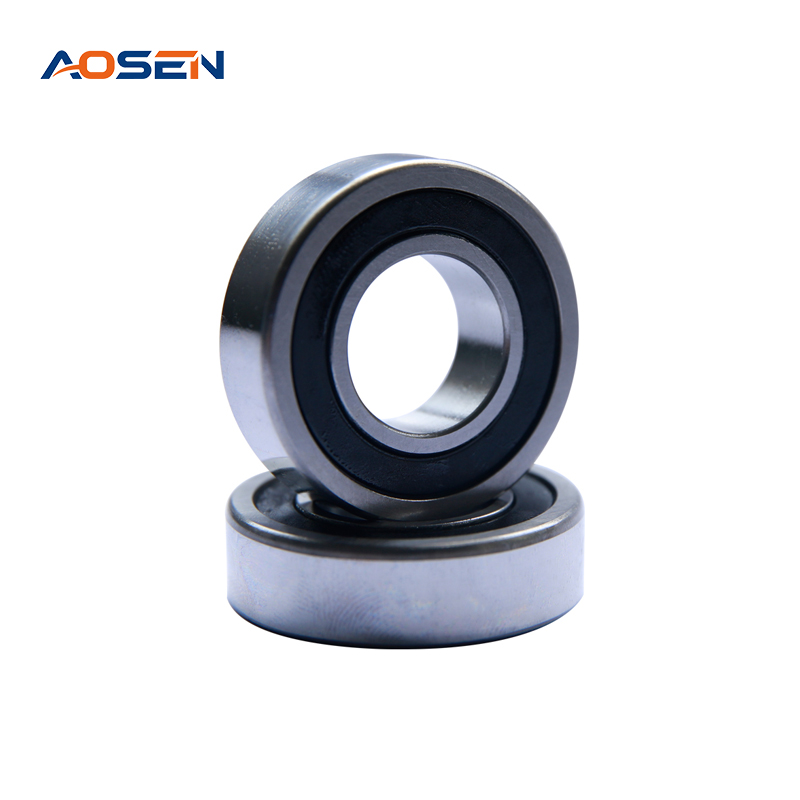
If you are working with stainless steel deep groove ball bearings, the same general percentages apply, but material differences can slightly affect thermal expansion rates. When selecting a bearing for a preloaded system, it is important to verify that the bearing is manufactured with the appropriate internal clearance (typically C2 or CN) to accommodate the preload.
Determining Preload for Angular Contact Bearings
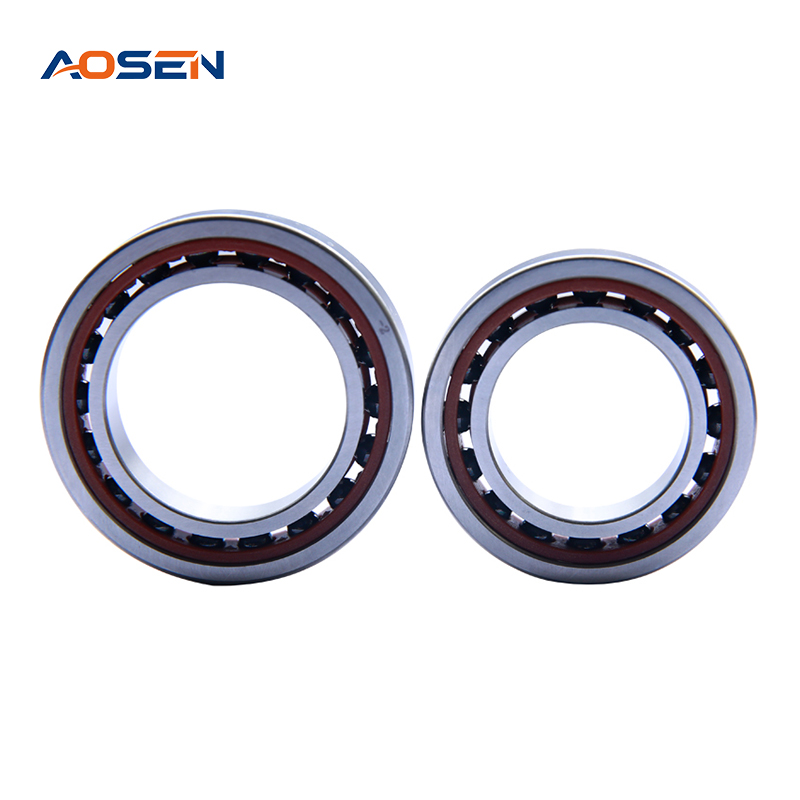
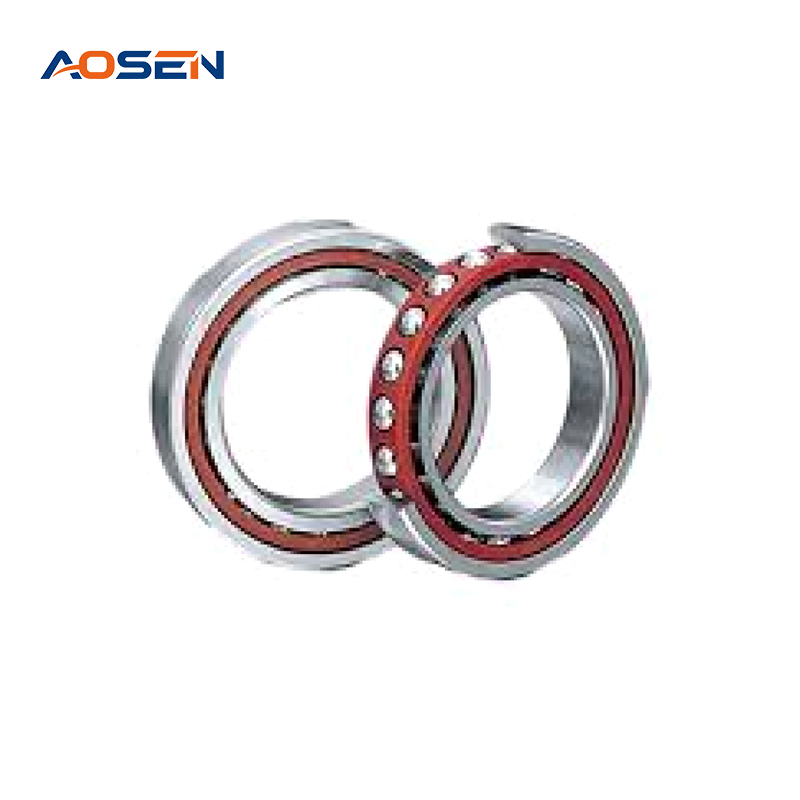
Angular contact ball bearings are often preloaded in sets—either back-to-back, face-to-face, or tandem arrangements. The manufacturer usually provides a preload class (light, medium, heavy) for matched pairs. Using mismatched bearings or relying on guesswork can lead to uneven load distribution and rapid failure. When you need angular contact bearings for axial and radial load combinations, using a pre-assembled pair is the safest approach.
The Two Primary Methods of Preloading
There are two established methods for preloading bearings: position preload (also called fixed preload) and constant pressure preload. Each has distinct characteristics and appropriate use cases.
| Characteristic | Position Preload | Constant Pressure Preload |
|---|---|---|
| How preload is maintained | By mechanically fixing the inner and outer ring positions with spacers or nuts | By a spring element (e.g., wavy washer, coil spring) that applies a constant axial force |
| Sensitivity to thermal expansion | High — preload changes as components expand or contract | Low — spring compensates for dimensional changes |
| Typical applications | Machine tool spindles, gearboxes, precision shafts | Small motors, pumps, fan assemblies |
| Stiffness | High, consistent | Lower, but more stable across temperature changes |
| Suitability for high-speed | Requires careful thermal management | Better suited when temperature varies |
Position Preload: Fixed and Predictable
Position preload is the most common method in precision machinery. A solid preload is achieved by holding the inner and outer rings of the bearing in place with spacers or locking mechanisms while applying an axial load. For example, when mounting a pair of angular contact bearings on a spindle, a ground spacer between the outer rings and a locknut on the inner rings creates a fixed preload. The spacers are machined to a specific length so that when the locknut is tightened to a specified torque, the bearings are compressed to the correct preload value. The main risk with position preload is that heat from operation causes shaft expansion, which increases the preload further and can lead to overheating. For this reason, position preload is best suited for systems with stable or controlled operating temperatures.
For standard deep groove ball bearings used in a fixed preload arrangement, it is essential to use two bearings mounted opposite each other (e.g., in a face-to-face arrangement) so that the preload force acts evenly on both bearings.
Constant Pressure Preload: Self-Adjusting
Constant pressure preload uses a spring—typically a wavy washer, a coil spring, or a set of disc springs—to maintain a consistent axial force on the bearing. This method is less common in ultra-precision spindles but is widely used in electric motors, small pumps, and fan assemblies where speed and temperature vary significantly. A wavy washer made of carbon steel is often a practical choice for preloading standard ball bearings. The spring element allows the bearing to adjust to thermal expansion or slight misalignment without drastically increasing the preload force. The trade-off is lower overall system stiffness compared to position preload.
How to Preload a Deep Groove Ball Bearing: Step-by-Step
- Select the correct bearing internal clearance. For most preload applications, standard CN (normal) clearance is acceptable, but C2 (reduced clearance) can provide a more predictable starting point.
- Determine the preload force. Use the bearing manufacturer's recommended preload value for your specific bearing size and application. If no data is available, start with a force equal to 1% of the static load rating.
- Decide on the method. For a constant pressure preload, select a spring element with a spring rate that delivers the desired preload over the expected range of axial deflection.
- Clean all mating surfaces and apply a light oil film to the bearing bore and shaft to prevent fretting.
- If using position preload: mount the bearing pair with precise spacers and tighten the locknut to the manufacturer's torque specification. Check rotational torque to verify consistent preload.
- If using constant pressure preload: install the spring element behind the bearing and secure the assembly with a retaining ring locknut. Verify that the spring is not fully compressed at rest.
- Measure axial deflection or rotational starting torque to confirm the preload is within the target range.
When working with stainless steel versions, such as the  Stainless Steel Deep Groove Ball Bearing SS 6203 ZZ/2RSFor washdown environments in food or chemical industries, this stainless steel bearing supports constant pressure preload and its seal type (ZZ or 2RS) affects friction and preload accuracy, making it essential to review before designing equipment.View Product → SS 6203-ZZ/2RS, the preload procedure is identical, but pay attention to the seal type. Rubber seals (2RS) can increase friction, which should be accounted for when measuring starting torque.
Common Mistakes When Preloading Bearings
- Over-preloading: Applying more than 2-3% of the static load rating can generate excessive heat and reduce bearing life dramatically. Always verify with a torque check or thermal measurement.
- Mixing unpaired bearings: Using two unmatched deep groove or angular contact bearings in a preload setup will likely result in unequal load sharing and unpredictable preload levels. Always use matched sets when available.
- Ignoring thermal effects: A position preload setup that works at 20 °C may seize or overheat at 80 °C if shaft expansion is not accounted for. Measure expected temperature rise and adjust preload force or clearance accordingly.
- Using Belleville washers incorrectly: While Belleville washers can provide a large force in a small space, they have a non-linear spring rate and may not maintain consistent preload over small deflections. Wavy washers are generally preferred for constant pressure preload in ball bearings.
Application-Specific Considerations
The choice of preload method and magnitude often depends on the operating environment. In the food and beverage industry, where washdowns demand corrosion resistance, stainless steel deep groove ball bearings are ideal. For such applications, a constant pressure preload using a spring element is usually preferred because it compensates for thermal cycles from hot cleaning solutions. If you are designing equipment for the chemical and electroplating industry, the bearing material and preload method must account for exposure to corrosive chemicals. A position preload with stainless steel bearings and sealed shields (ZZ or 2RS) can provide the necessary stiffness and protection.
For applications requiring high stiffness and minimal deflection, such as in medical or pharmaceutical equipment, position preload with matched angular contact bearings is often specified. However, the same application may also require a light preload to minimize heat generation—a reminder that context always dictates the best technique.
Final Check: Confirming Correct Preload
After assembly, verify preload by measuring the bearing's starting torque or axial deflection. For a pair of matched angular contact bearings, the manufacturer often provides a target starting torque value. For deep groove ball bearings, a simple method is to rotate the shaft by hand and feel for a slight drag without roughness. If the shaft spins freely without any resistance, the preload may be insufficient. If it feels stiff or generates heat rapidly during a short test run, the preload is too high. Use a torque wrench or force gauge for quantifiable confirmation.
When in doubt, start with a lighter preload and increase only if the application demands higher stiffness. An industry guide to deep groove ball bearings can provide additional context for material selection and preload ranges. The goal is not simply to tighten all bearings as much as possible, but to introduce a controlled, predictable axial force that improves machine performance without compromising reliability.
-

-
 +86-15990593443
-
 No. 558 Huancheng West Road, Zhouxiang Town, Cixi City, Ningbo Province, Zhejiang Province

- Quick Links
- Product Categories
- Deep Groove Ball Bearings
- Stainless Steel Deep Groove Ball Bearings
- Angular Contact Ball Bearings
- Flange Bearings

Message Us Now !