
 Español

Mounting a Bearing on a Shaft: A Practical Step-by-Step Guide for Fitters
Mounting a bearing on a shaft looks like a five-minute job, and on a good day it is. The difference between a bearing that runs quietly for years and one that starts rumbling after a month usually comes down to a few small decisions made before the bearing ever reaches the shaft: how the fit was chosen, how the force was applied, and how clean the parts were.
This guide covers the practical side of shaft mounting for deep groove ball bearings, the type found in motors, pumps, fans, gearboxes and almost every small machine. If you remember only one rule, make it this one: apply the force to the ring being fitted, never through the rolling elements.
Why the inner ring takes the force
Bearings are built around a simple division of labour. Whichever ring rotates relative to the load direction gets an interference fit, so it cannot creep around its seat. The stationary ring is fitted more loosely, so it can be assembled without damage and can shift slightly when the shaft grows with heat.
On a typical shaft-mounted application, the shaft rotates and the inner ring carries the interference fit. That has a direct consequence for mounting: pressure must go onto the face of the inner ring. Press or hammer on the outer ring and the load travels through the balls and raceways, leaving brinelling marks that turn into noise and early failure long before the bearing's rated life is used up.
The fit itself is set by the shaft tolerance band. The table below lists the common bands for solid steel shafts and the mounting method each one normally calls for.
| Fit condition | Typical shaft tolerance | Usual mounting method |
|---|---|---|
| Interference (press fit) | j5, k5, m5, n6 | Cold press, driving sleeve, or heated bearing |
| Transition | js5, js6 | Light press or slightly warmed bearing |
| Clearance (slip) | g6, h6 | Hand assembly, retaining compound on worn seats |
Before you start: measure, clean, and set out your tools
Ten minutes of preparation prevents most mounting damage.
- Measure the shaft in at least two planes and at two positions along the seat, then compare the readings with the drawing tolerance. A seat that is a hundredth of a millimetre oversize can turn a press fit into a fight.
- Look for burrs, nicks and raised marks left by a previous bearing. A fine oilstone or a strip of emery cloth removes them without changing the diameter.
- Check that the shoulder the bearing seats against is square. An out-of-square shoulder tilts the ring and loads one side of the raceway.
- Leave the bearing in its packaging until the last moment, and never wash a sealed bearing. The ZZ shield or 2RS seal is there to keep the factory grease in.
- Set out the right tools: a press or driving sleeve that contacts the inner ring, a soft-faced mallet, clean lint-free cloths, and the correct grease.
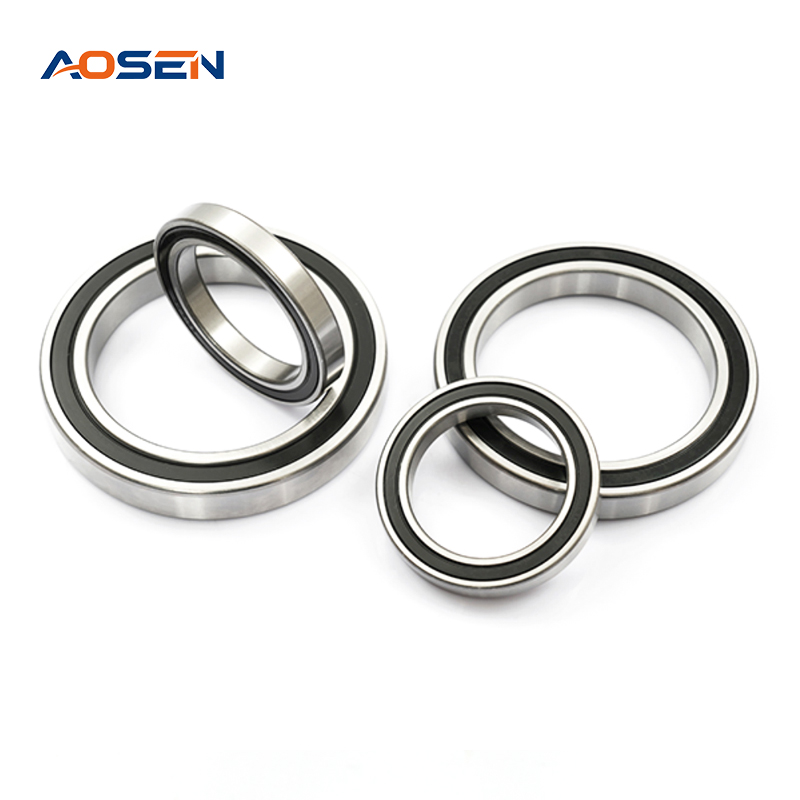
Most shaft-mounted bearings in general industrial equipment come from the 6000, 6200 and 6300 metric series, and a large share of them sit in electric motors, pumps and gearboxes where a quiet, long-running fit matters more than anything else.
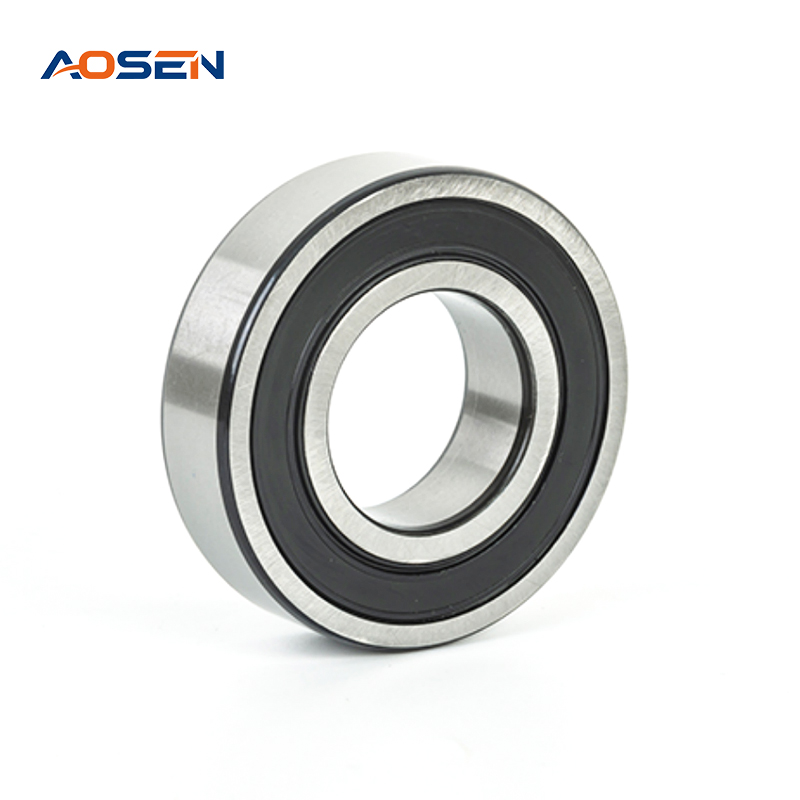 6200 Series Deep Groove Ball BearingsFor electric motors, pumps, and gearboxes, this series covers common metric sizes with GCr15 steel and multiple tolerance classes.View Product →
Choosing a mounting method
Cold pressing
For most fits up to around 50 mm bore, a press is the cleanest option. Use a sleeve or drift tube that touches only the inner ring, keep the assembly square, and apply steady pressure rather than shock loads. If the bearing stalls halfway, stop, pull it off and find out why instead of pushing harder.
Hammer and driving sleeve
When no press is available, a sleeve with an outer diameter slightly smaller than the inner ring shoulder but larger than the bore will do the job. Tap evenly around the sleeve, moving from side to side, and keep checking that the bearing is going on straight. Never strike the bearing directly, and never drive it home on the outer ring.
Heat, tapered bores and hydraulic methods
Heat is the friendliest method for larger bearings and heavier fits. An induction heater gives controlled, even warming, and a clean oil bath works too. Keep standard bearings below 120 °C, and sealed bearings below 80 °C so the grease is not harmed. An open flame is never acceptable, because uneven heating distorts the rings. Tapered bore bearings are mounted on adapter or withdrawal sleeves and tightened with a locknut, which creates the interference fit as the ring climbs the taper, while large sizes are often fitted with hydraulic nuts and oil injection. Those methods need a measured drive-up or clearance value from the bearing maker, so follow the data rather than feel.
Step by step: mounting a deep groove ball bearing on a shaft
- Confirm the shaft tolerance and clean the seat with a lint-free cloth, then wipe on a thin film of oil, not grease.
- Set the bearing square on the shaft end. Squareness matters more than force at this stage.
- Position the driving sleeve so it contacts only the inner ring.
- Apply pressure slowly and evenly. If the bearing needs a sharp blow to move, stop and check the fit.
- Press until the inner ring sits firmly against the shoulder, with no gap and no feeler-gauge play.
- If you are using heat, work fast: the ring grips within seconds as it cools.
- Let the assembly return to room temperature before measuring or running it.
- Turn the shaft by hand. It should rotate freely, smoothly and quietly.
Mistakes that shorten bearing life
- Driving on the outer ring, or hitting the bearing through the balls.
- Striking the bearing directly with a hammer or a punch.
- Starting crooked and then forcing the bearing straight, which galls both the seat and the bore.
- Heating with a torch, or heating faster than the ring can expand evenly.
- Leaving the inner ring short of the shoulder, so it creeps and frets under load.
- Reusing a shaft whose seat has been polished down by a spinning inner ring. That seat needs a new shaft or a retaining compound as a short-term fix.
Checks worth making after mounting
Turn the shaft by hand before adding any load and listen. Then run the machine up and watch the temperature: a mild warm-up is normal, a hot housing or a hot shaft end is not. A rhythmic click usually points to a brinelled raceway or a ring that is not sitting square, while a faint continuous hiss is often just too much grease. Where precision matters, check shaft runout with a dial indicator, and confirm that shields or seals face the right way and are not pinched against the shoulder.
When the environment or the arrangement changes the job
Corrosive and washdown environments
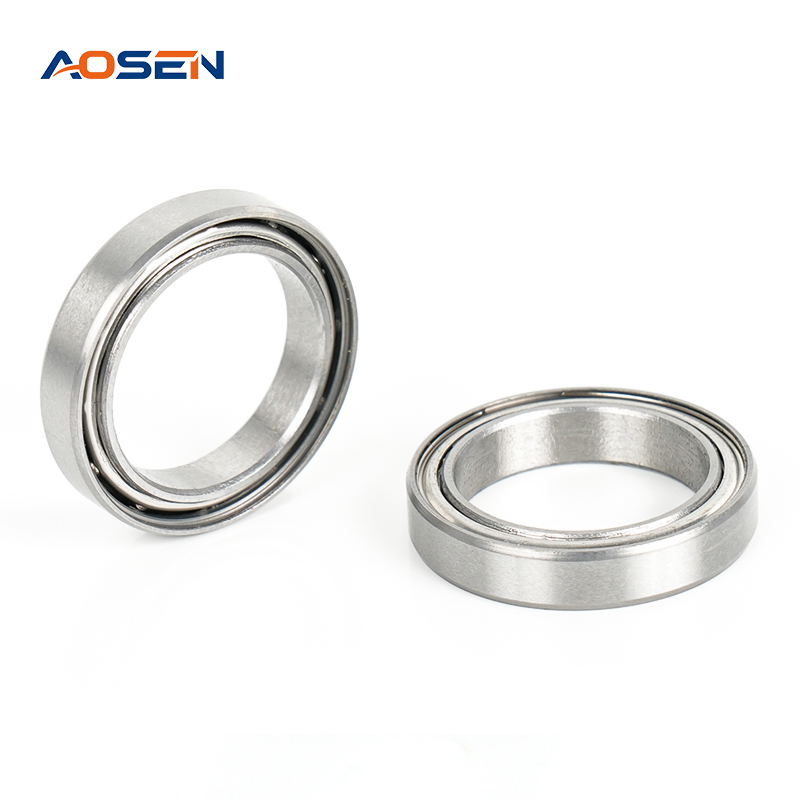
If a machine is washed down daily, runs near salt water or handles chemicals, standard chrome steel will not last long. Stainless steel deep groove ball bearings resist rust and are usually supplied with ZZ shields or 2RS seals that keep moisture and cleaning agents out of the raceway. The mounting rules are the same, but check the fit carefully, because stainless rings are a little softer and mark more easily if a bearing goes on crooked.
 Stainless Steel Deep Groove Ball BearingsFor washdown, marine, chemical, and water-treatment equipment, these SS-series bearings offer corrosion-resistant materials and open, ZZ, or 2RS configurations.View Product →
Plants working in marine and ship engineering, chemical processing and water treatment tend to keep a stock of these bearings precisely because a standard bearing would fail within weeks in the same position.
Angular contact and flanged designs
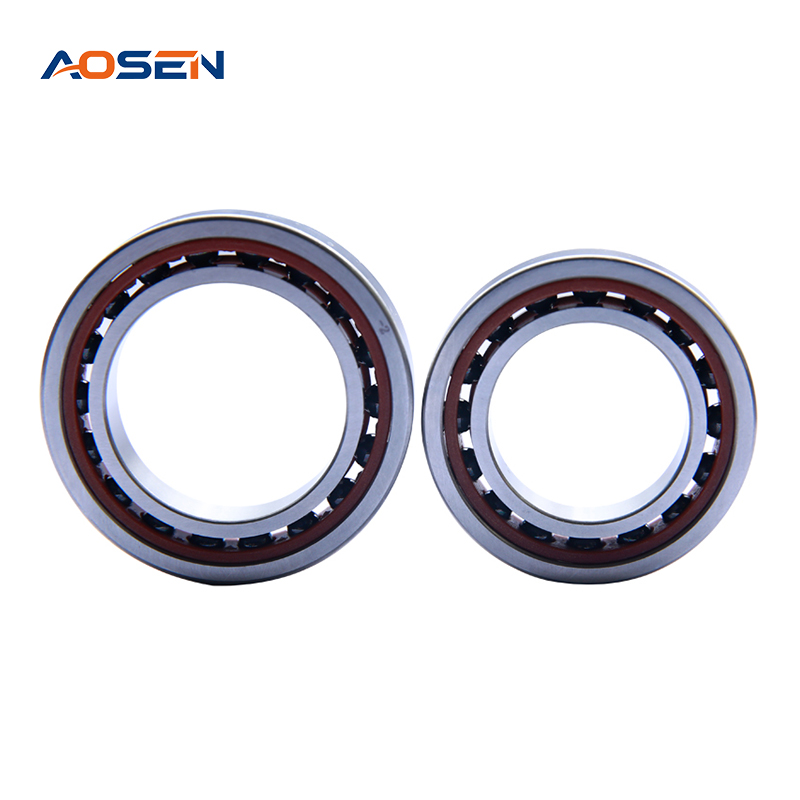
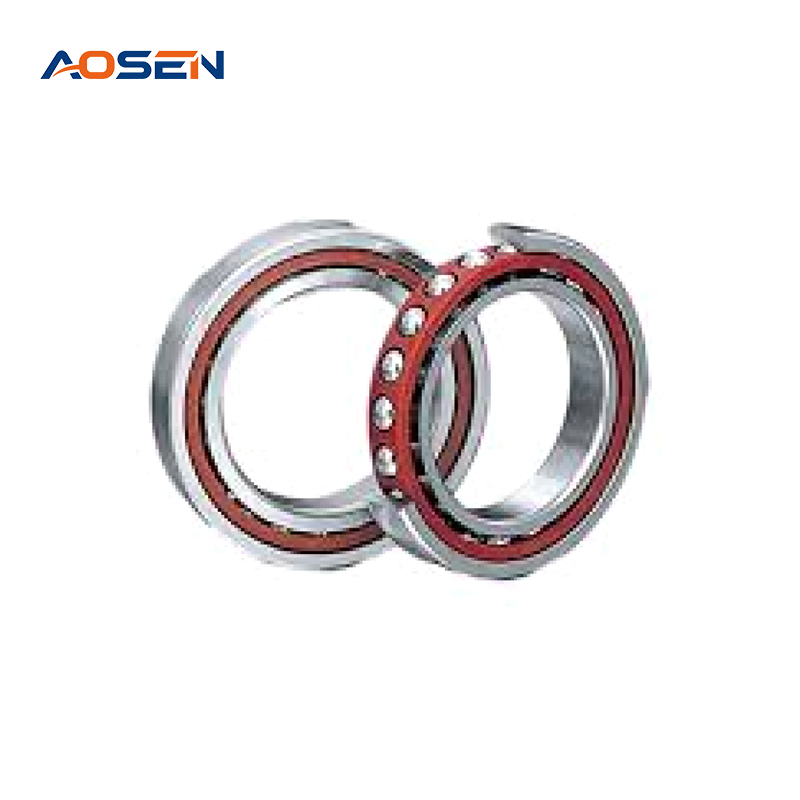
Angular contact ball bearings carry combined radial and axial loads, but they are directional: the contact angle faces one way, so they are normally mounted in pairs, back-to-back or face-to-face, with the force still applied to the inner ring. Getting the orientation right matters more than the pressing technique, because a pair installed the wrong way round will run hot and fail quickly.
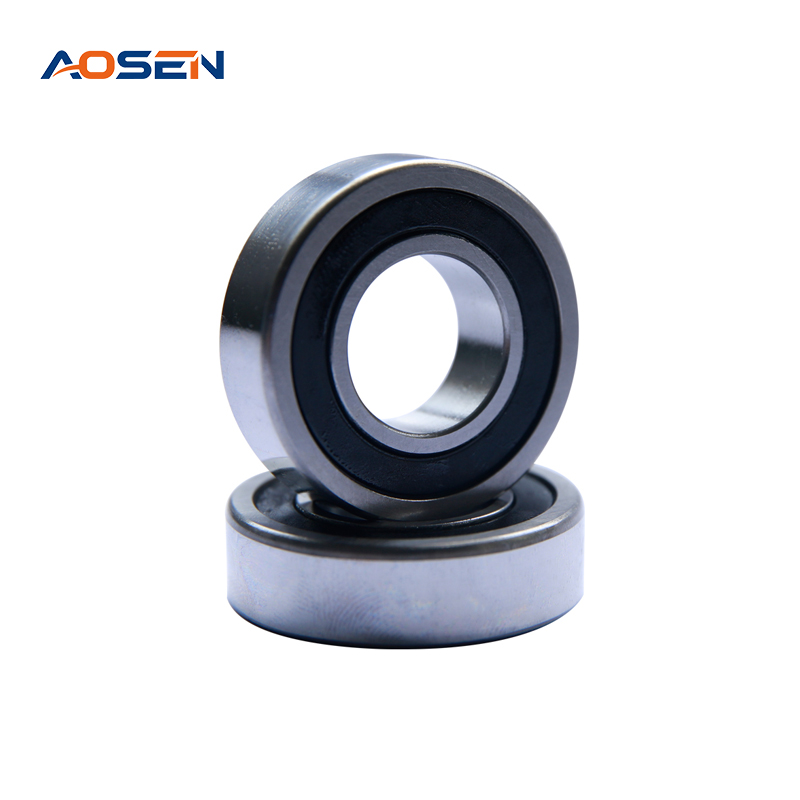 7000, 7200, and 7300 Angular Contact BearingsFor combined radial and axial loads, these 7000, 7200, and 7300 series bearings suit spindles, motors, robots, and paired mounting arrangements.View Product →
Flange bearings are a different case altogether. The flanged outer ring locates the bearing in a housing rather than on a shaft, so the press work goes into the housing bore and the shaft simply slides through the bore of the ring. Our step-by-step flange bearing installation guide covers that variant in detail.
Still unsure about the fit? Ask before you press
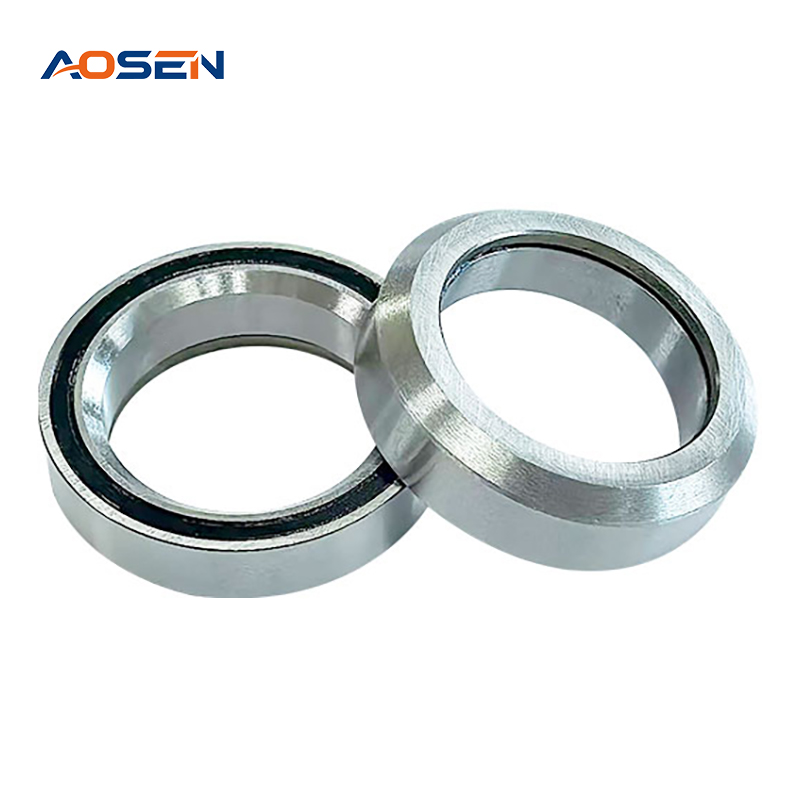
We are Ningbo Aosen Bearing Co., Ltd., a bearing exporter working alongside our own factory, Ningbo Weijun Bearing Co., Ltd., which has been producing deep groove ball bearings since 2016 in a plant of more than 8,000 square metres. Our range covers the standard 6000 to 6900 metric series, stainless steel equivalents, angular contact ball bearings, flange bearings and bicycle headset bearings, with OEM customization and a double quality check before anything leaves the building. If you are working out the right shaft fit, seal type or material for a specific machine, tell us what the shaft has to do and we will help you specify it properly. And if you are ever in Ningbo, the factory door is open.
-

-
 +86-15990593443
-
 No. 558 Huancheng West Road, Zhouxiang Town, Cixi City, Ningbo Province, Zhejiang Province

- Quick Links
- Product Categories
- Deep Groove Ball Bearings
- Stainless Steel Deep Groove Ball Bearings
- Angular Contact Ball Bearings
- Flange Bearings

Message Us Now !