
 Español

how to select the right bearing for a gear: Practical Applications, Selection
Choosing the right bearing for a gear reducer can feel like a small detail in a much larger machine, but it is often the detail that determines whether a gearbox runs quietly for years or fails after a few months. In our work as a bearing manufacturer with our own factory, we have supplied deep groove ball bearings and angular contact ball bearings for all kinds of gear drives, and the same pattern shows up again and again: when the bearing is selected carefully, the whole drivetrain benefits. This guide covers the essential factors you need to weigh before you place an order.
Start with the Operating Conditions
Before you open a bearing catalogue, take time to write down what the gear reducer is actually expected to do. The two most important questions are: what kind of load will the bearing carry, and how fast will it turn?
In a gear reducer, radial load comes mainly from the meshing of gears and the weight of shafts. Axial load appears when helical, bevel or worm gears are used, because those tooth forms create a force along the shaft. If the load is mostly radial, a deep groove ball bearing is often adequate. If the axial load is significant or if shaft deflection must be tightly controlled, you may need an angular contact ball bearing.
- Radial load: check the force perpendicular to the shaft axis.
- Axial load: check the force parallel to the shaft axis.
- Combined load: radial plus axial, common in helical gear units.
Speed is the second critical input. Every bearing has a limiting speed, so make sure the operating speed of the reducer is below that value. In high-speed input stages, smaller bore bearings may be preferred because they produce less friction and heat. In low-speed output stages, the load capacity often matters more than speed.
Do not forget the duty cycle. A gear reducer that runs continuously at full load is much harder on bearings than one that operates intermittently. If the application involves frequent starts, stops, or shock loads, use a higher load rating and consider a more robust bearing series.
Choose the Bearing Type
For most gear reducers, the realistic candidates are deep groove ball bearings and angular contact ball bearings. Deep groove ball bearings are the most versatile. They handle radial load well, accept a moderate amount of axial load in either direction, run quietly, and are easy to mount. In compact gear motors and reducers, they are often the first choice.
When axial load is more substantial, angular contact ball bearings are worth considering. They are designed to support higher axial forces and can be arranged in pairs to preload the shaft system, which improves rigidity and positional accuracy. This is especially important in precision gear reducers that drive machine tools, robots, or indexing tables.
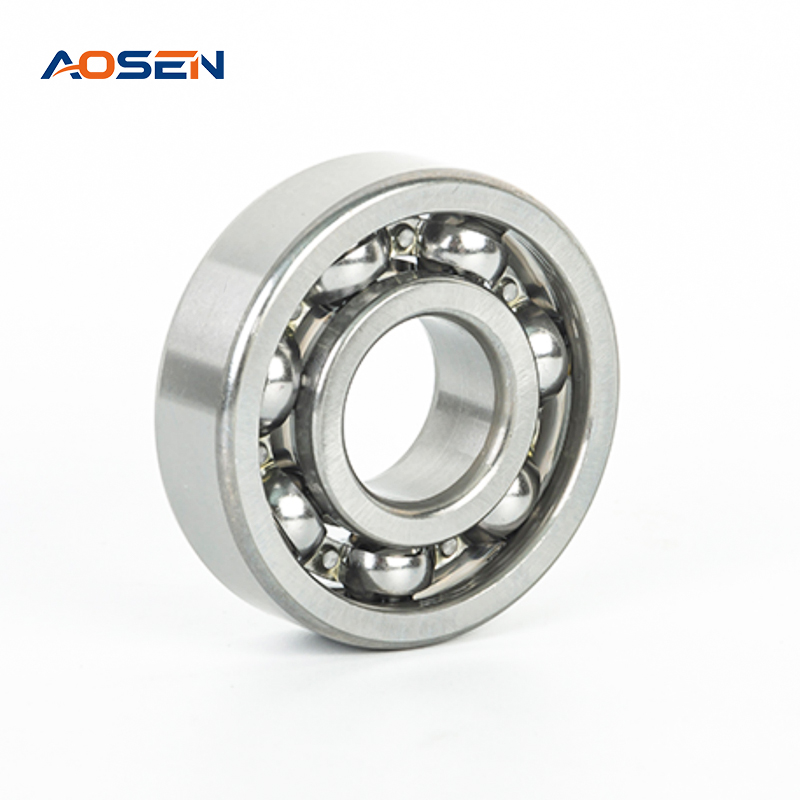 6300 Series Deep Groove Ball Bearings for Reliable Gear Reducer PerformanceThese precision-ground bearings offer low friction and quiet operation, making them a dependable choice for medium-duty gear reducers where load capacity and speed balance matter.View Product →
In our production experience, the 6300 series deep groove ball bearings are a reliable fit for many medium-duty gear reducers because they combine good load capacity with a moderate cross-section. When the application calls for a higher axial load share, the 7000 series angular contact ball bearings are a practical option.
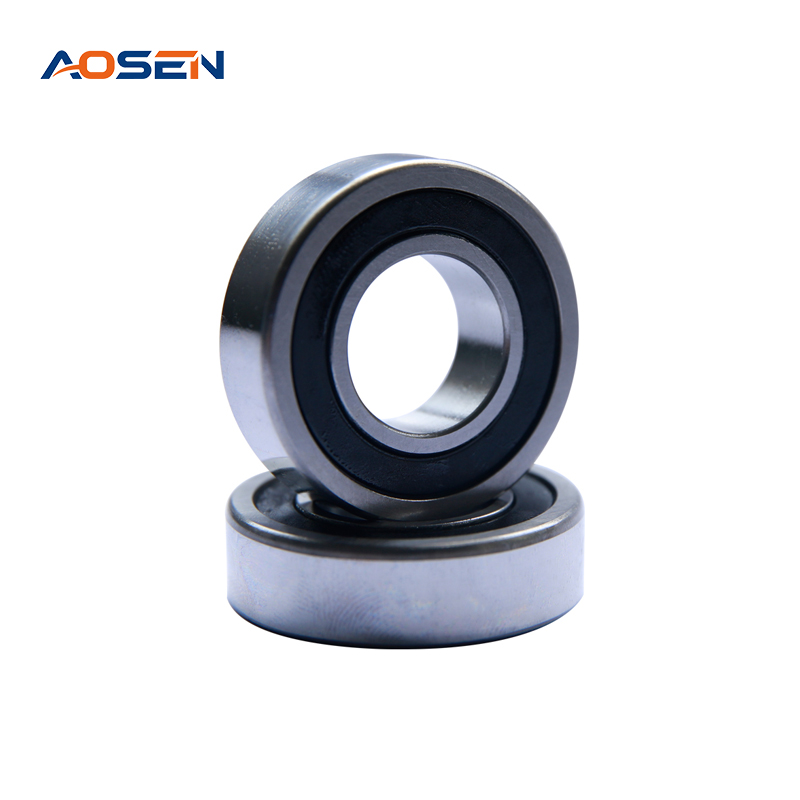 7000 Series Angular Contact Ball Bearings for Precision and Axial LoadsDesigned with a 15-degree contact angle, these high-speed bearings handle substantial axial forces with rigidity and low vibration, ideal for precision machinery and spindles.View Product →
You may also see cylindrical roller bearings used in gear reducers, especially in larger units with extremely high radial loads. But for the majority of gearmotor and small-to-medium reducer applications, ball bearings give the right balance of load capacity, speed capability, and cost.
Match the Size and Load Ratings
Once you have chosen the bearing type, the next step is to match the bore diameter to the shaft size and then verify that the bearing can carry the applied load. The dynamic load rating, often shown as C, is the load a bearing can endure for one million revolutions with a basic rating life of 90% survival probability. For ball bearings, the basic rating life is proportional to the cube of the load ratio, so even a small increase in load rating can have a large effect on life.
What does this mean for a gear reducer? If the reducer operates continuously under heavy torque, choose a bearing series with a higher load rating rather than simply the smallest bearing that fits the shaft. The table below gives a rough idea of how the common deep groove series compare.
| Series | Cross Section | Relative Load Capacity | Typical Use |
|---|---|---|---|
| 6000 | Light | Low to moderate | Small motors, low loads |
| 6200 | Medium | Moderate | General gear reducers |
| 6300 | Heavy | High | High-torque output shafts |
These are only relative comparisons. For a specific reducer design, use the exact dynamic and static load ratings from the bearing manufacturer's catalogue, and apply an appropriate service factor based on the duty cycle. If the reducer is expected to handle occasional peak loads, the static load rating matters too, because that determines whether the bearing will deform permanently under a single heavy impact.
Think About Sealing and Lubrication
Gear reducers create an interesting challenge for bearings because the same lubricant that serves the gears also has to serve the bearings. If the reducer uses oil splash lubrication, you might select an open bearing or one with a shield so that oil can reach the rolling elements. If the reducer is greased and sealed for life, a sealed bearing with rubber contact seals can keep the grease in and contamination out.
The choice of sealing matters especially in dusty, wet, or chemically aggressive environments. For example, gear reducers used in chemical and electroplating environments may face fumes and splashes that can compromise a standard steel bearing. In these situations, stainless steel is worth considering. Our stainless steel bearing selection guide explains how material choice affects corrosion resistance and long-term reliability.
Lubrication viscosity is another detail. In a gearbox, the gear oil is selected primarily for the gears, but it also must be compatible with the bearings. Check that the oil's viscosity at operating temperature is sufficient to form a separating film in the bearing. When grease is used, make sure the grease is compatible with the bearing seals and the temperature range.
Re-lubrication intervals deserve attention as well. In a sealed-for-life design, the choice of bearing seal and grease quality determines how long the unit can run before the bearing becomes the maintenance item. For reducers with oil bath lubrication, regular oil analysis can warn you about bearing wear before it turns into a breakdown.
Don't Overlook Installation and Precision
A bearing that is correctly selected but poorly installed can fail prematurely. In gear reducers, alignment between the shaft and housing bore is usually controlled by machining, but the mounting method still matters. Use proper tools to press the bearing onto the shaft, never apply force through the rolling elements. For angular contact bearings arranged in pairs, the clearance is set by grinding or shims, and preload must be adjusted carefully.
Precision class and internal clearance also deserve attention. Most standard gear reducers use normal precision bearings, but if noise and vibration are critical, a higher precision class can help. The internal clearance should be chosen according to the interference fit and the operating temperature difference between inner and outer rings. Too little clearance can lead to heat generation, while too much can cause noise and reduce load distribution.
Shaft and housing fits are part of the same story. A rotating inner ring needs a tight fit on the shaft so it does not creep and wear the shaft surface. A stationary outer ring can have a slightly looser fit in the housing to allow thermal expansion and easier assembly. These tolerances are small, but they have an outsized effect on bearing life.
Consider the Environment Around the Reducer
The same gear reducer can behave very differently in a clean, dry factory compared with a food processing line or a marine deck. In wet or washdown-heavy settings, standard carbon steel bearings may suffer from corrosion, especially when the seals are damaged. That is where stainless steel deep groove ball bearings come into play. We offer several stainless steel series, and one of the most common choices in gear reducers is the SS 6200 series, which matches the popular 6200 dimensions but adds corrosion resistance.
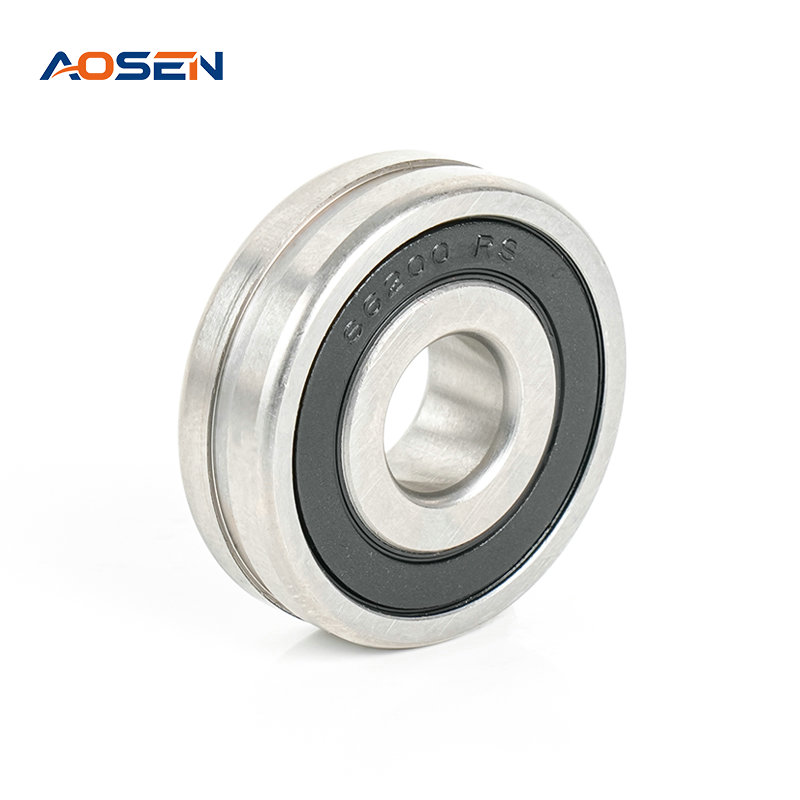 SS 6200 Series Stainless Steel Deep Groove Ball Bearings for Corrosive EnvironmentsBuilt from AISI 420 martensitic stainless steel with high hardness, this bearing resists rust and condensation, extending maintenance intervals in washdown or marine settings.View Product →
For operators in food and beverage processing, water treatment, or marine engineering, choosing a stainless steel bearing can extend maintenance intervals significantly. Even if the reducer is inside a housing, condensation can form and attack the bearing surfaces. Starting with the right material is far more effective than adding aftermarket protection later.
Final Thoughts
Selecting the right bearing for a gear reducer is not a one-time formula; it is a judgment based on load, speed, environment, lubrication, and installation precision. Start by defining the operating conditions clearly, choose a bearing type that matches the load spectrum, verify the load ratings against the required life, and pay attention to sealing and fit. It sounds like a lot, but each step eliminates a failure mode and brings you closer to a drivetrain that performs the way it was designed.
When you work with a bearing manufacturer that has its own factory, you can get practical advice plus the flexibility to adjust dimensions, materials, and seals. We have used this approach for many years and we welcome technical questions from engineers who want to get the details right.
Related Products
-
 View More
-
 View More
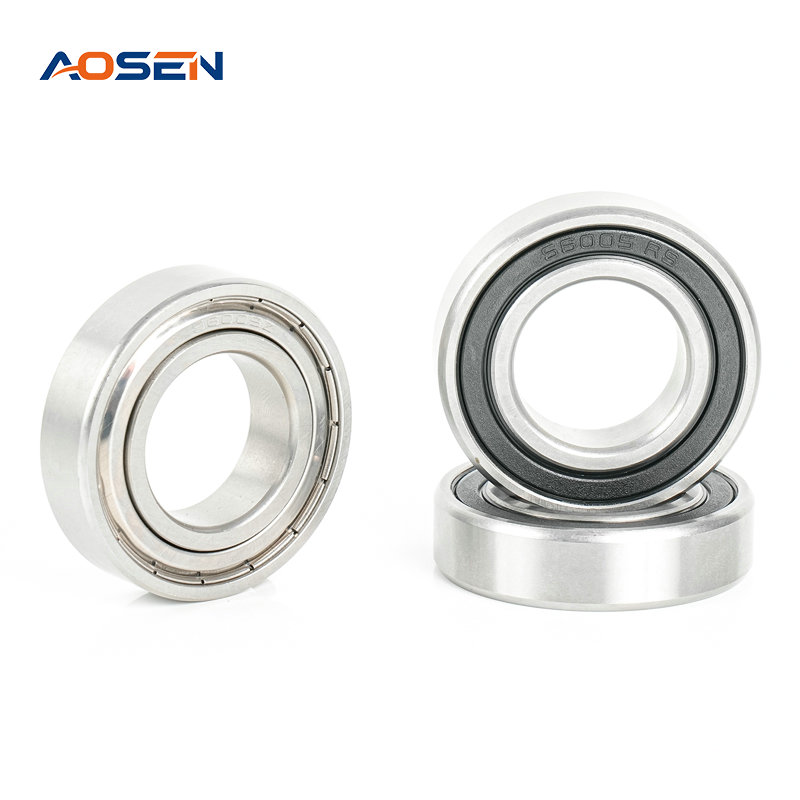
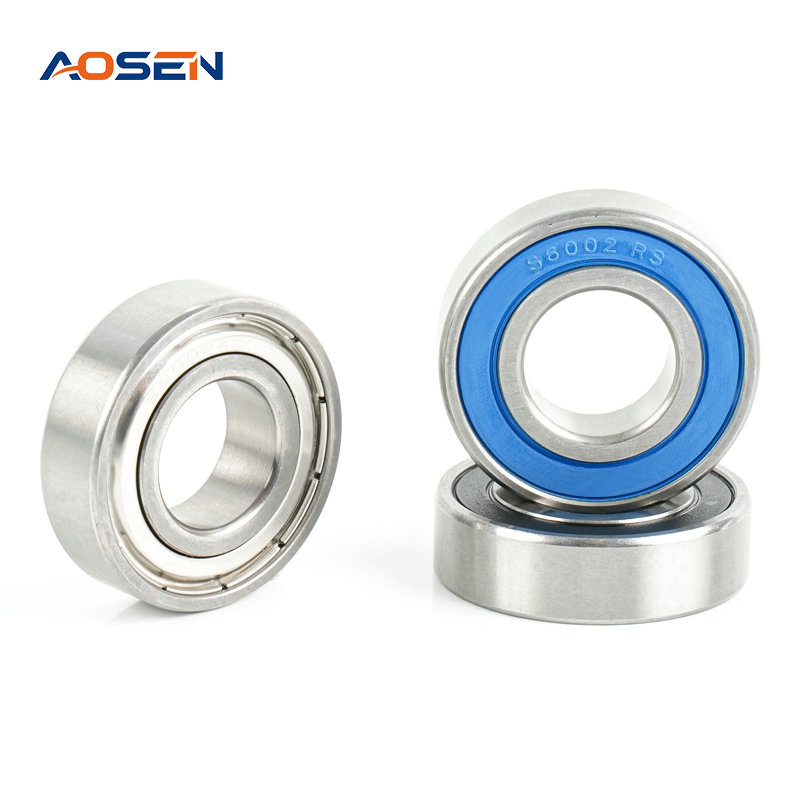
SS 6005 ZZ/2RS stainless steel deep groove ball bearings
-
 View More
SS 6002 ZZ/2RS stainless steel deep groove ball bearings
-
 View More
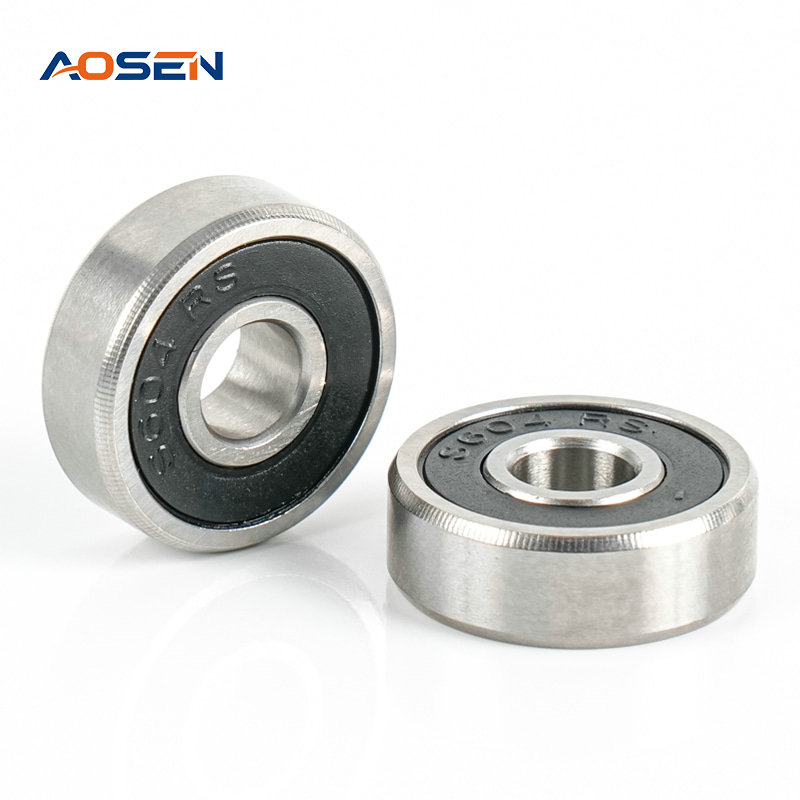
SS 604 ZZ/2RS stainless steel deep groove ball bearings
-
 View More
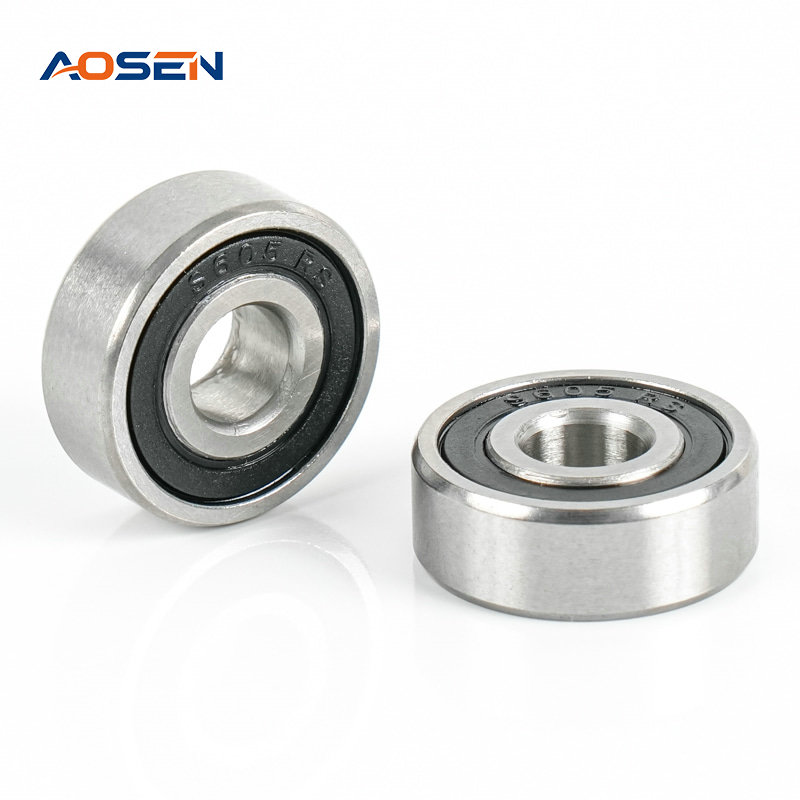
SS 605 ZZ/2RS stainless steel deep groove ball bearings
-
 View More
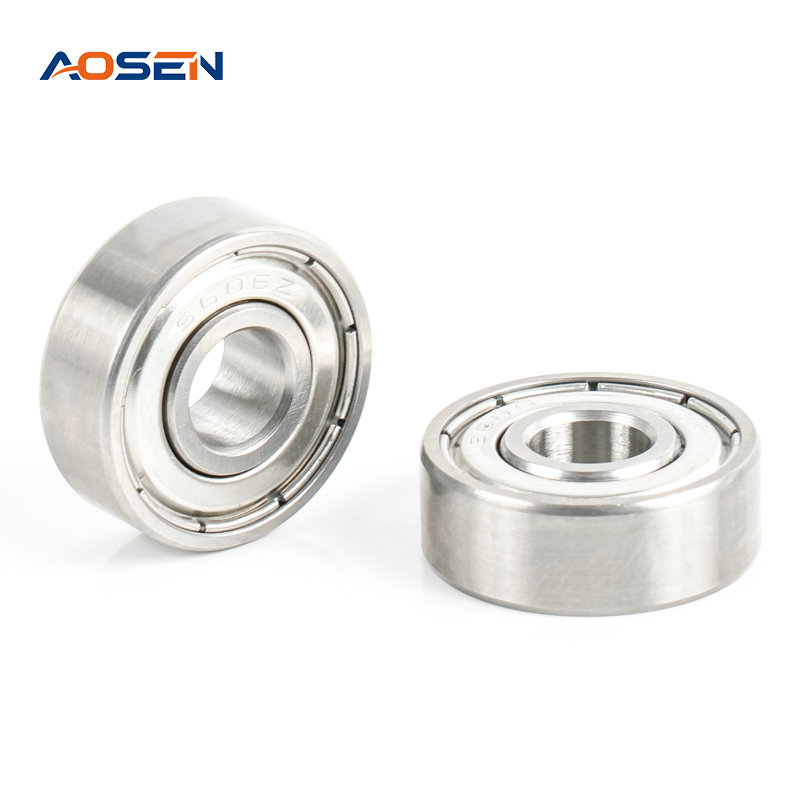
SS 606 ZZ/2RS stainless steel deep groove ball bearings
-

-
 +86-15990593443
-
 No. 558 Huancheng West Road, Zhouxiang Town, Cixi City, Ningbo Province, Zhejiang Province

- Quick Links
- Product Categories
- Deep Groove Ball Bearings
- Stainless Steel Deep Groove Ball Bearings
- Angular Contact Ball Bearings
- Flange Bearings

Message Us Now !