
 Español
How to Grease Bearings: Choosing the Right Grease, Fill Amount, and Method
A production line goes down, and the maintenance ticket reads the way it always does: bearing noise, add grease. A few pumps of the gun quiet the whine for a week, and a month later the same bearing gets swapped out anyway. In most cases the grease was never the problem. Nobody confirmed whether the bearing could accept fresh grease at all, how much it actually needed, or whether the old grease had anywhere to go.
The short version comes first. A bearing with rubber contact seals on both sides, the 2RS type, is lubricated for life, and forcing grease into it will only distort or blow off the seals. An open bearing, or a shielded type mounted in a housing with a grease fitting, can and should be relubricated, and doing it well comes down to three things: matching the grease to the application, controlling the fill volume, and giving spent grease an escape path before you start pumping. The sections below work through those decisions in the order you will meet them on the job.
Check the Bearing Type Before You Reach for the Grease Gun
Sealed, shielded, and open deep groove ball bearings can look nearly identical on the shelf, yet they need completely different maintenance. This is the step where most greasing mistakes are made, so it is worth slowing down.
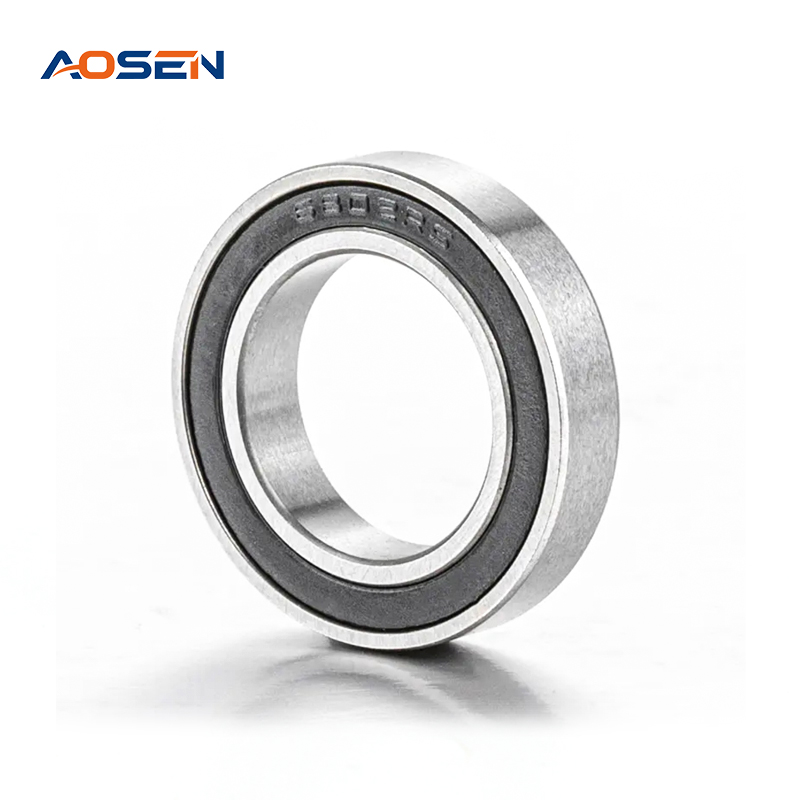
- 2RS, rubber seals on both sides. The factory fills roughly 30 to 50 percent of the internal free space with grease, and the contact seals hold it in while keeping water and dust out. These bearings are maintenance-free by design. A grease gun against a 2RS bearing does not extend its life; it presses the seal lips out of their grooves, drags contaminants into the cavity, and often kills the bearing within weeks.
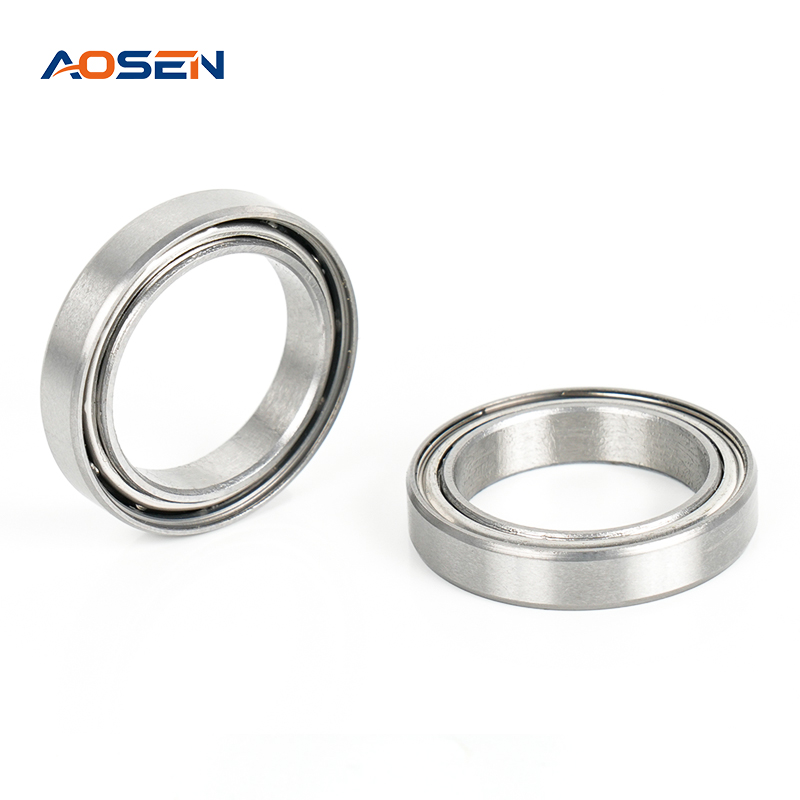
- ZZ, metal shields on both sides. Shields leave a small running gap to the inner ring, so they are not airtight. Most ZZ bearings are also factory greased and treated as lubricated for life, though slow, heavily loaded units can sometimes be topped up through the housing where the design allows it.
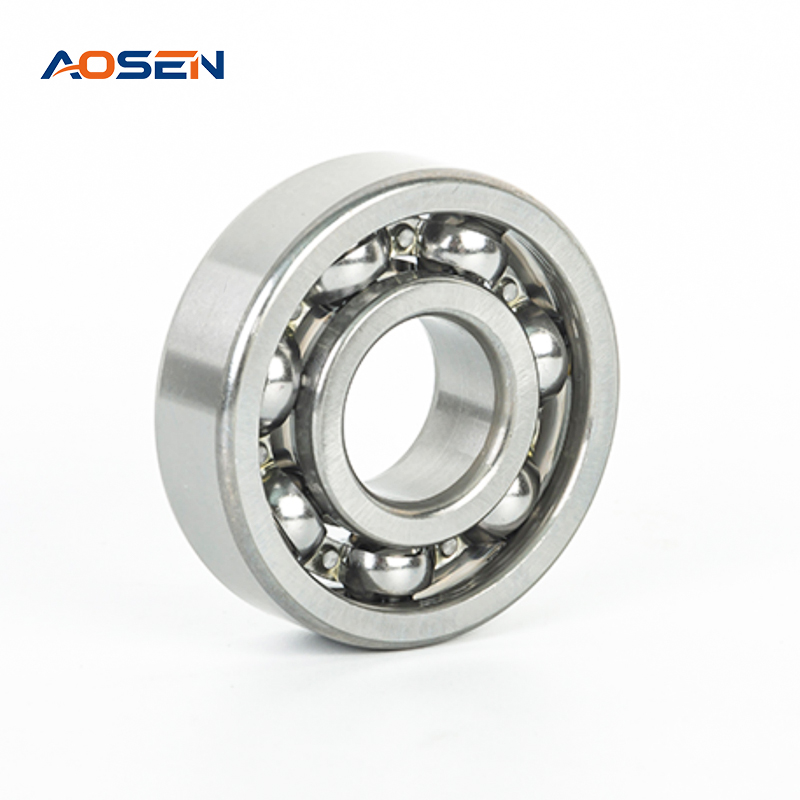
- Open bearings. With no seals or shields at all, these depend entirely on the surrounding housing, an oil bath, or a grease reservoir, and they are the type that genuinely needs a greasing routine.
If you cannot tell the type from the part number, look at the bearing face: black rubber rings mean 2RS, bare steel discs set back from the bore mean ZZ, and visible balls mean open. Standard series such as the 6200 line are offered in all three versions, which is why many plants stock one bore size in several configurations instead of improvising with a grease gun.
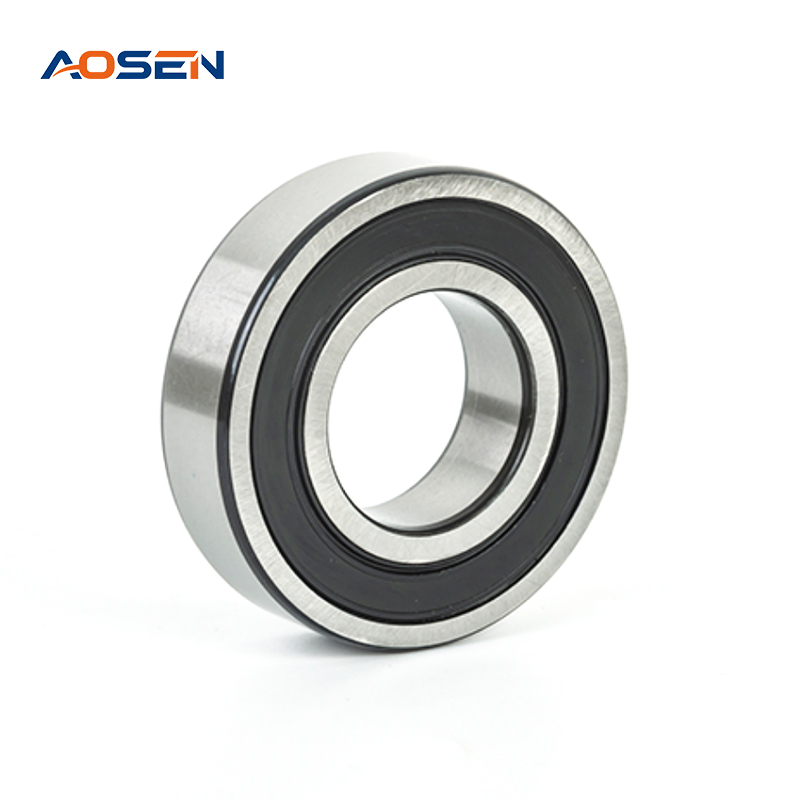 6200 Series Deep Groove Ball Bearings in Sealed and Open VersionsMade from heat-treated GCr15 bearing steel for hardness, wear resistance, and fatigue strength. Since the 6200 line comes in 2RS, ZZ, and open versions, this series suits the maintenance strategies discussed for standard industrial bearings.View Product →
Choose a Grease That Matches the Application, Not the Shelf
Grease is roughly 80 to 90 percent base oil held in a soap or complex thickener, plus additives. What matters inside the bearing is the base oil viscosity at operating temperature, the thickener chemistry, and the consistency grade. Most industrial ball bearings run well on NLGI grade 2 lithium or lithium complex grease, and the exceptions are exactly where premature failures begin.
| Operating condition | Grease property to check | Practical starting point |
|---|---|---|
| High ambient or operating heat | Dropping point and base oil viscosity | Lithium complex grease rated well above the peak housing temperature |
| High speeds | Consistency and resistance to churning | Softer NLGI 1 or a high-speed formulation, with fill kept to the low end |
| Moisture, splash, outdoor exposure | Water resistance of the thickener | Water-resistant lithium complex; avoid sodium-soap greases, which emulsify |
| Shock or heavy loads | Extreme pressure (EP) additives | EP lithium complex for impact-adjacent service |
| Possible food contact | Food-grade formulation | Grease registered for incidental food contact, the H1 class |
One rule deserves repeating on every shift: never mix greases built on incompatible thickeners. Blending, for example, a polyurea grease with a conventional lithium product can soften the mixture until it bleeds oil and walks out of the bearing. When you switch grease types, purge the old charge thoroughly or clean the cavity first.
Pack an Open Bearing by Hand Before Installation
Hand packing applies to open bearings going into a fresh build or rebuild, such as a fan, pump, or electric motor overhaul.
- Wash the bearing in a clean, suitable solvent to remove the storage preservative, then let it dry completely. Never spin it dry with compressed air; the balls whip around uncontrolled and can scar the raceways.
- Inspect while it is clean. Rust, discoloration, or any roughness when you rotate the outer ring by hand means the bearing should be replaced, not greased back into service.
- Place a lump of grease in your palm and push it into the side of the bearing, working it between the balls and around the cage until grease shows through on the far side. Every ball and raceway should end up coated.
- Fill the rest of the internal cavity only partially. Aim for 30 to 50 percent of the free space, leaning toward 30 percent for higher speeds, because surplus grease churns into heat.
- Rotate the outer ring by hand. It should turn smoothly, with a thin, even film and no hard slugs of grease dragging through the rolling path.
Relubricate a Mounted Bearing Without Over-Pressurizing It
For bearings already running in pillow blocks, motor end shields, or housed units, the job is less about packing and more about displacing old grease cleanly.
- Wipe the grease fitting clean before the gun goes on. Pumping dirt straight through the fitting is one of the most common self-inflicted failures in maintenance shops.
- Open a path out. Remove the relief plug or drain plug at the far end of the housing so spent grease can escape. If hardened old grease blocks the cavity, fresh grease will simply stop short of the raceways no matter how much you pump.
- Pump slowly while the shaft turns, either running or rotated by hand. Slow strokes distribute the grease; fast ones can spike pressure enough to push seal lips inward or unseat them entirely.
- Stop as soon as fresh grease appears at the relief opening. That signal means the cavity has been renewed, not that there is room for more.
- Let the bearing run and purge with the drain open for a few minutes, wipe away the expelled grease, refit the plug, and check the housing temperature again after the first hour of operation.
How Much Grease and How Often
Two numbers keep a relubrication program honest. The first is quantity: a widely used rule of thumb multiplies the bearing outside diameter by its width and by 0.114, which gives the top-up amount in grams for a standard ball bearing. The second is the interval, and no fixed calendar handles that well on its own.
Grease life drops quickly with temperature; as a practical rule, service life roughly halves for every 15 degrees Celsius above about 70 degrees at the bearing. Dust, wash-off from moisture, heavy vibration, and long idle periods shorten intervals further. That is why plants with the best bearing records have mostly moved to condition-based relubrication: they log housing temperatures, feel and listen for texture changes, sample the purged grease, and grease on evidence rather than habit.
Mistakes That Turn Greasing Into the Failure Cause
- Over-greasing. A solid-packed cavity makes the rolling elements churn through grease, temperature climbs, and the lubricant oxidizes or thins until it leaks. More bearing failures trace back to too much grease than to too little.
- Greasing sealed bearings. A gun against a 2RS bearing only damages the seals that were protecting it in the first place.
- Mixing incompatible thickeners. The blended grease can soften, bleed oil, or harden, and the failure shows up weeks later, far from the fitting where it started.
- Dirty application. Wipe fittings, gun couplers, and open housings before every job; a rag costs nothing compared with a bearing.
- Pumping against a closed housing. Without an open relief or drain point, the pressure goes into the seals instead of into the cavity.
When a Sealed Stainless Bearing Beats Any Greasing Schedule
Some environments turn every grease fitting into a liability. Washdown lines, marine decks, electroplating tanks, and outdoor water treatment works let water and chemicals attack the very opening you grease through, and the grease itself can emulsify or wash away. In these settings the better engineering answer is a sealed stainless steel bearing supplied pre-greased for life: no greasing rounds, no purge points, and corrosion resistance where carbon steel would pit within months.
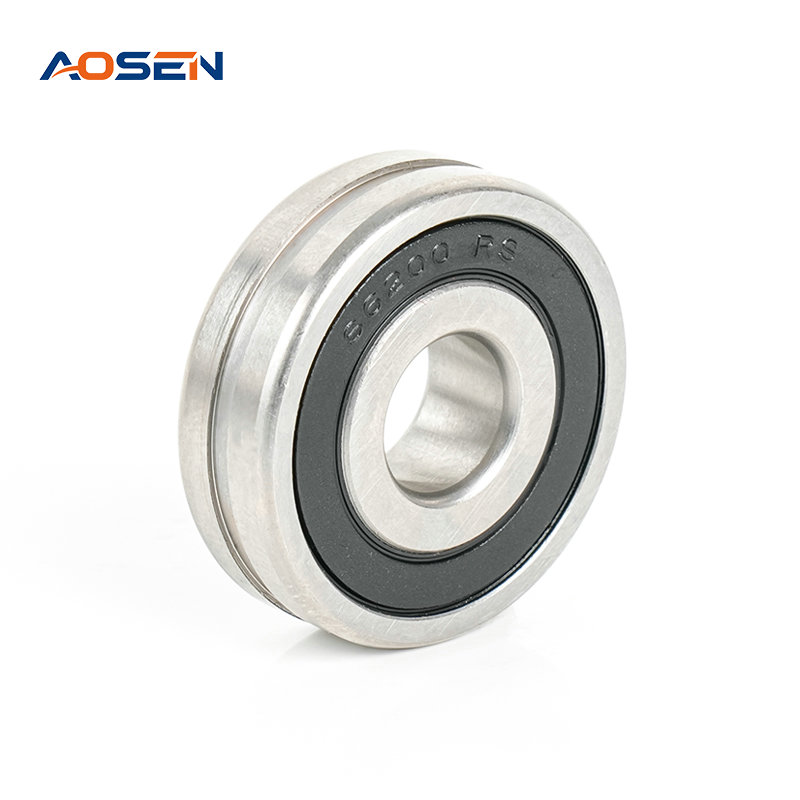 SS 6200 ZZ/2RS Stainless Steel Deep Groove Ball BearingsPre-greased AISI 420 stainless bearings in the common 10x30x9mm size, sealed against water and chemicals. They suit washdown, marine, and outdoor applications where grease fittings become liability points and relubrication is impractical.View Product →
Food and beverage processing lines are the classic case, where caustic cleaning chemicals meet hygiene rules and a missed greasing round can become a contamination event rather than just a maintenance one. The same logic applies to pumps and agitators in chemical plants and shipbuilding, where sealed stainless bearings remove an entire recurring task from the maintenance plan.
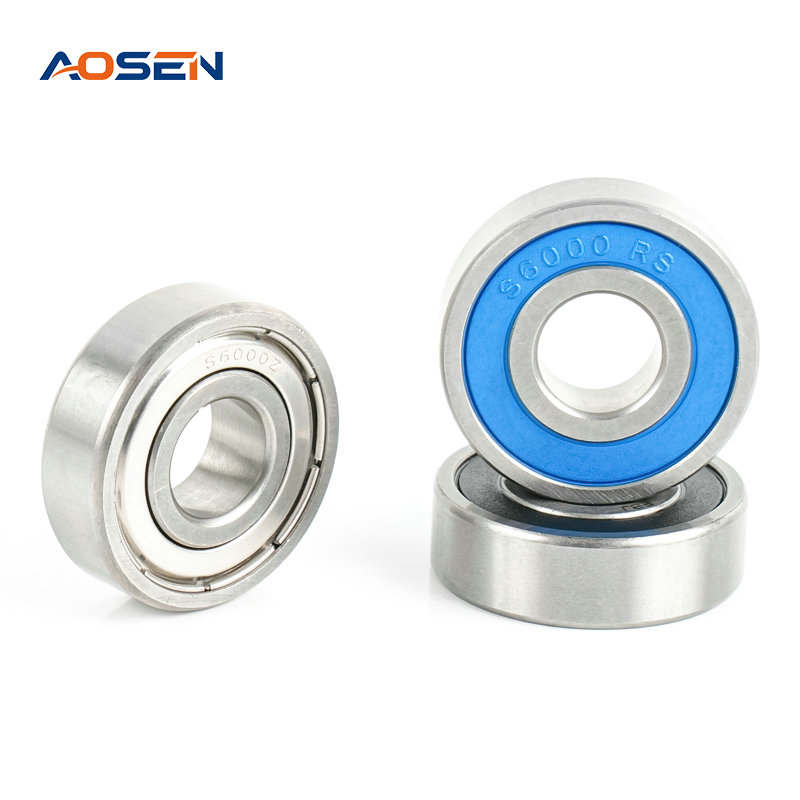 SS 6000 ZZ/2RS Stainless Steel Deep Groove Ball BearingsAvailable in AISI 420 and 440C stainless steels for humid, mildly corrosive, and hygienic environments like food, medical, and marine equipment. A standard choice when standardizing plants on sealed, maintenance-free bearings.View Product →
If you are standardizing on sealed bearings, it pays to buy from a manufacturer that produces both standard and stainless deep groove ball bearings across the 6000 to 6900 series in ZZ and 2RS versions, and that can adjust grease fill, sealing, and tolerances to your operating conditions. As an export-oriented manufacturer with our own factory in Ningbo, we supply exactly that range to equipment makers and distributors worldwide, with OEM customization and double quality checks before shipment, so the bearing you install matches the maintenance strategy you planned.
-

-
 +86-15990593443
 -
 No. 558 Huancheng West Road, Zhouxiang Town, Cixi City, Ningbo Province, Zhejiang Province

- Quick Links
- Product Categories
- Deep Groove Ball Bearings
- Stainless Steel Deep Groove Ball Bearings
- Angular Contact Ball Bearings
- Flange Bearings

Message Us Now !